
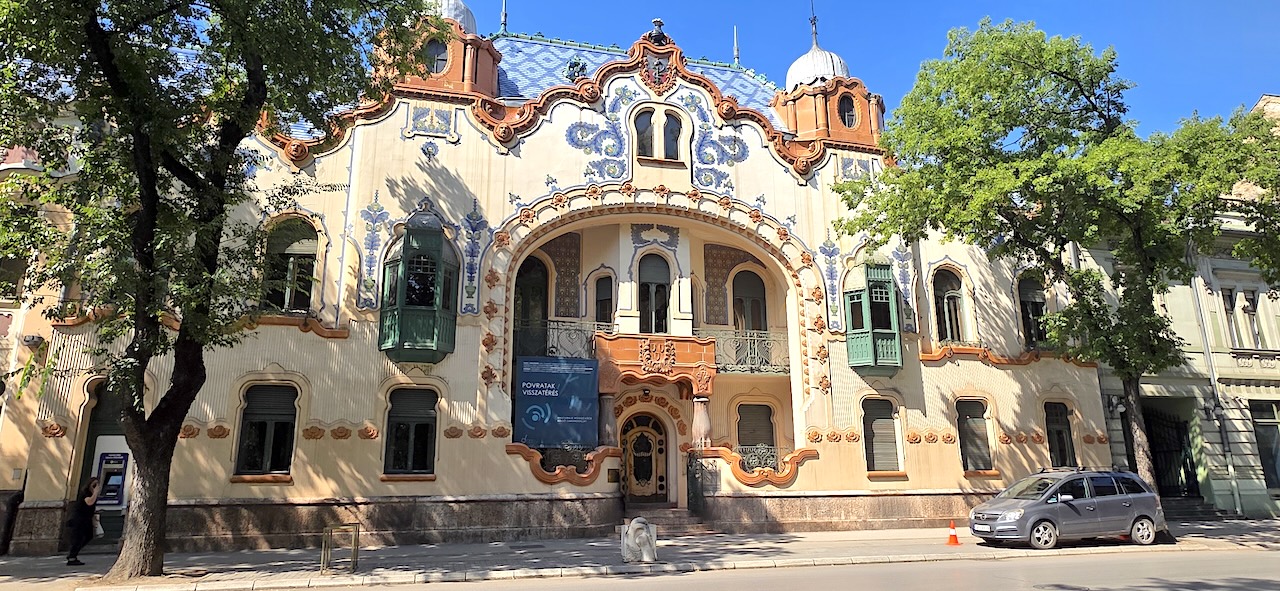
Serbia’s Subotica is either seen as too far north to bother, or just an overnight stopover as travellers head south. Sat on the Hungarian border this is a town not to be missed or bypassed, and here, we share why.
Subotica (pronounced Subotitza) is Serbia’s most prettiest of cities and, perhaps I would go as far as to say, across Europe. It was the pictures profiled in the Balkan’s Lonely Planet Guide that drew us north. With images of fairytale roof lines and tree-lined avenues, it wasn’t hard to sell the notion of a trip north. Intrigue certainly got the better of us and we were not disappointed.
Well I say not disappointed – the journey north from Belgrade through Novi Sad to Subotica is not the most endearing. In comparison to the rest of Serbia’s stunning landscape, this northern Panonnian Plains really lives up to its name. If you time it right, the acres of sunflowers will certainly break the monotony of the endlessly flat miles, but otherwise, it is a 90 minute journey that will, I promise reap you the greatest of rewards.
About Subotica
It is the fifth largest city in Serbia and located just 6 miles from the Hungarian border, but of course, its path to today’s version of the city has been colourful and culturally interchangeable. That cultural dynamic has remained one of Subotica’s most endearing features and one that you instantly feel as you explore its elegant streets. From Serbian Orthodox, to Jews and Hungarians, the diversity that sits and lives side by side gives us hope for solidarity across the world. Harmony, cohabitation and fusion of cultures, food and architecture all make for a colourful visit.
Whilst the history books will tell us tales of the Ottoman Empire and how it enjoyed the ‘golden era’ of prosperity, it is perhaps closer to today’s historical chapter where we will find the greatest treasure.
With many buildings being created in the Hungarian Secession design – to you and me that is a version of Art Nouveau – I dare you not to be impressed by the vision that sits above your eye line. Subotica is one of the cities where you have to walk looking upwards to really appreciate its magnificence. Built most significantly in the early 19th century, Subotica is laced with charm, fairytale delight and intrigue. If your curiosity is piqued then let us show you around.
Subotica’s Highlights
Whilst on its own, it may not take more than half a day to enjoy the main sights of the city, that would somehow miss the very rhythm of this fine destination. Subotica is an urbanscape to relish, to pootle around and to soak up like a sponge taking up a bowl of water. You have coffee, you have lunch and then an afternoon rakija or three. That is the best way to enjoy Subotica. Of course if you prefer, you can join a Walking Tour that leaves from the Tourist Information office in the City Hall, or simply enjoy our guided tour.
1. Raichle Palace
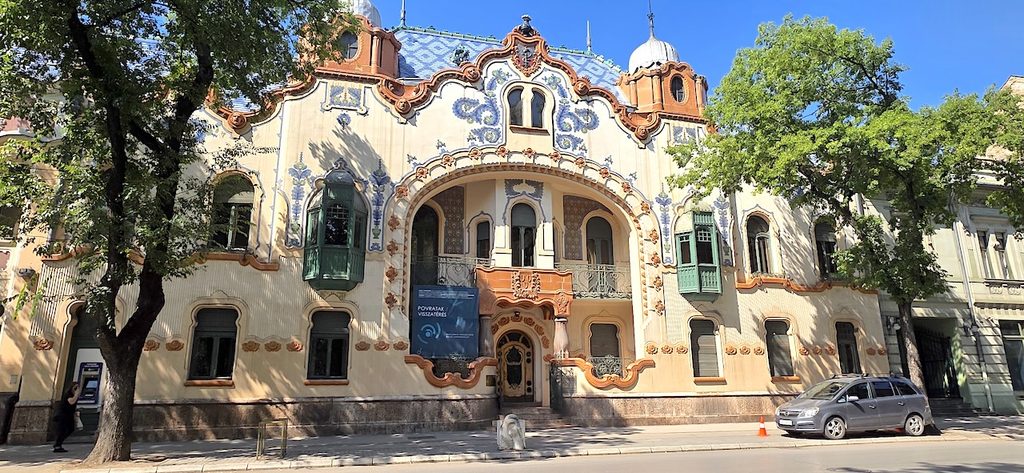
This is the most iconic image of the city and one that you will see on most city publicity – for good reason. This is actually private residence built in 1903 by Serbian architect Ferenc Raichle. He chose the location very specifically near to the railway station, so that on arrival, visitors would cast their eyes upon his unique design before seeing anything else. The family only lived here for four years, and after suffering bankruptcy, the family left the city, their home being seized by the bank. Up until the war, it was taken by a number of families until eventually in 1948 the Municipal Museum moved into the building and many of the intricate wallpapers and wall paintings were lost. Twenty years later, today’s Contemporary Art Gallery moved in. By 1973 Raichle’s Palace had been placed on the Cultural Monument of Great Importance list and has been since renovated and preserved.
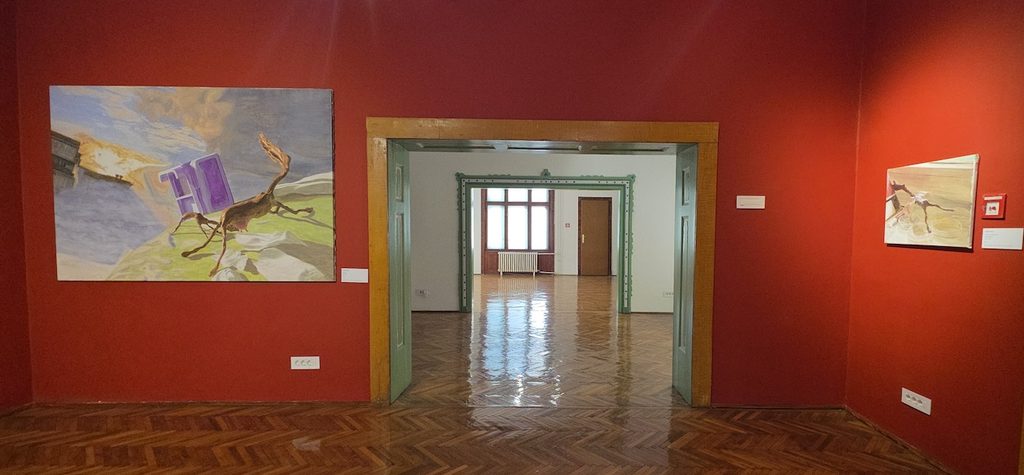
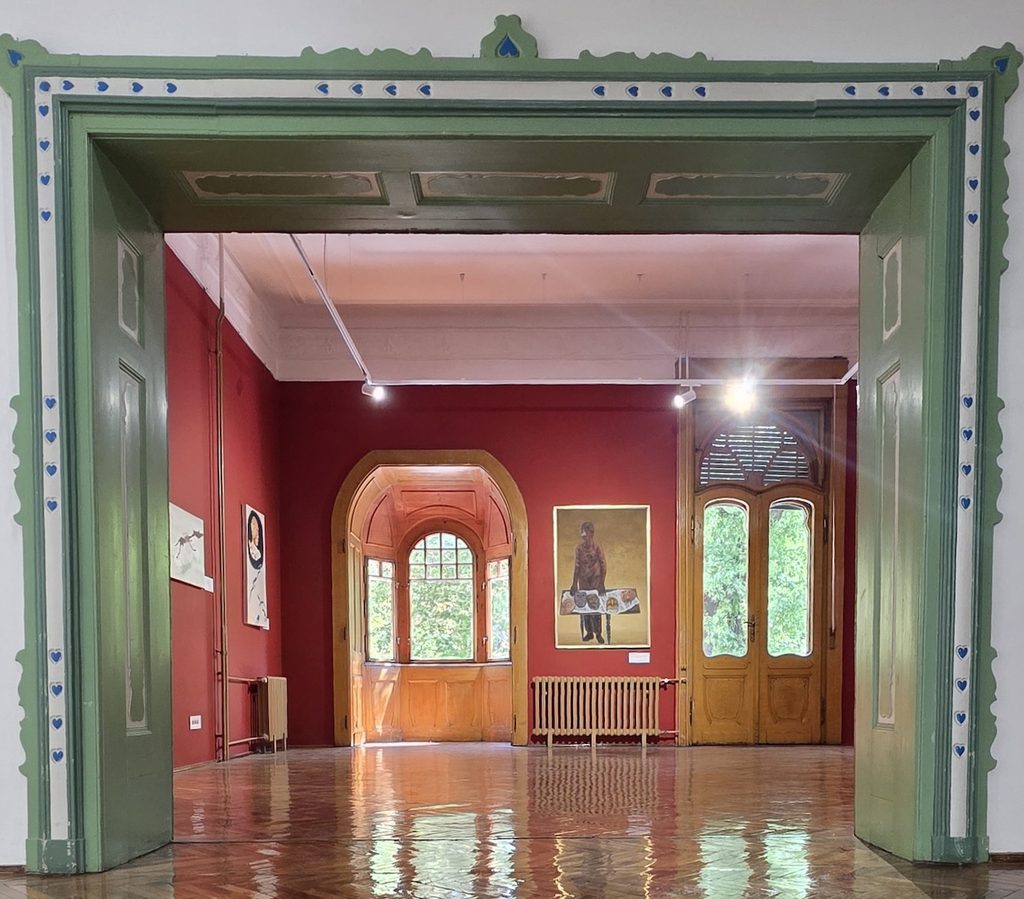
You can visit the Art Gallery which is across two floors, for just 200 Dinar – £1.50. And whether you enjoy art or not, it is well worth the entrance fee to simply admire the internal design.
2. The Terrace and Boss’ Cafe
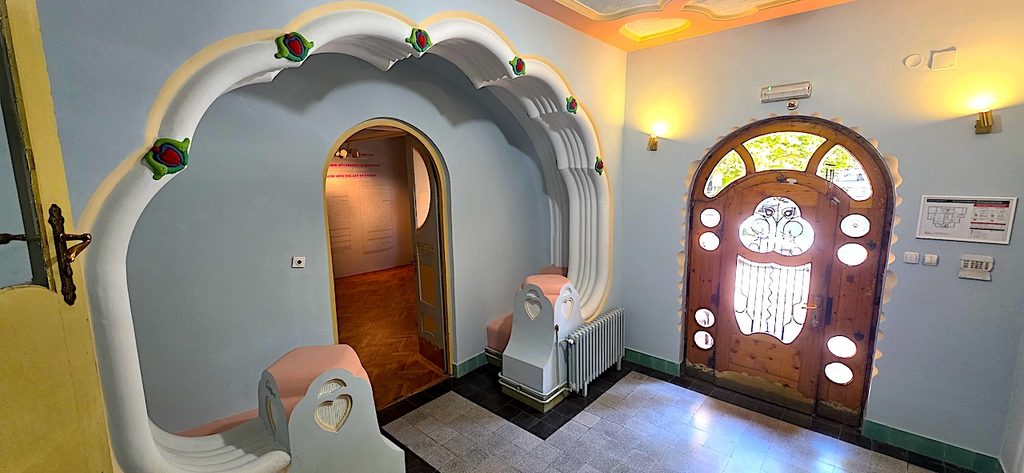
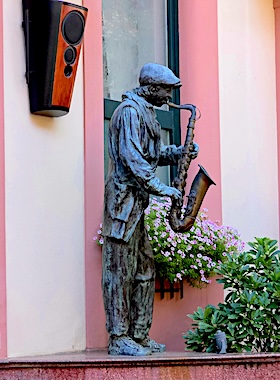
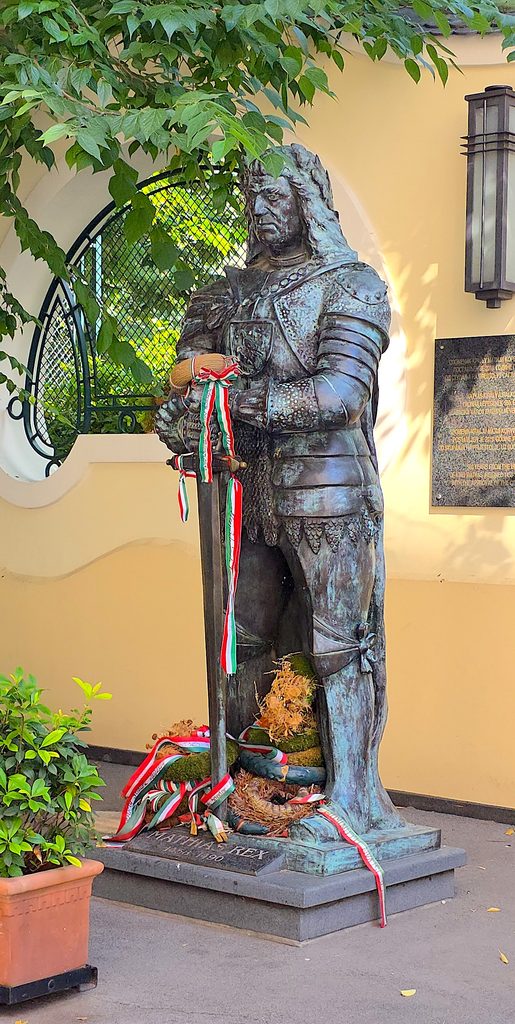
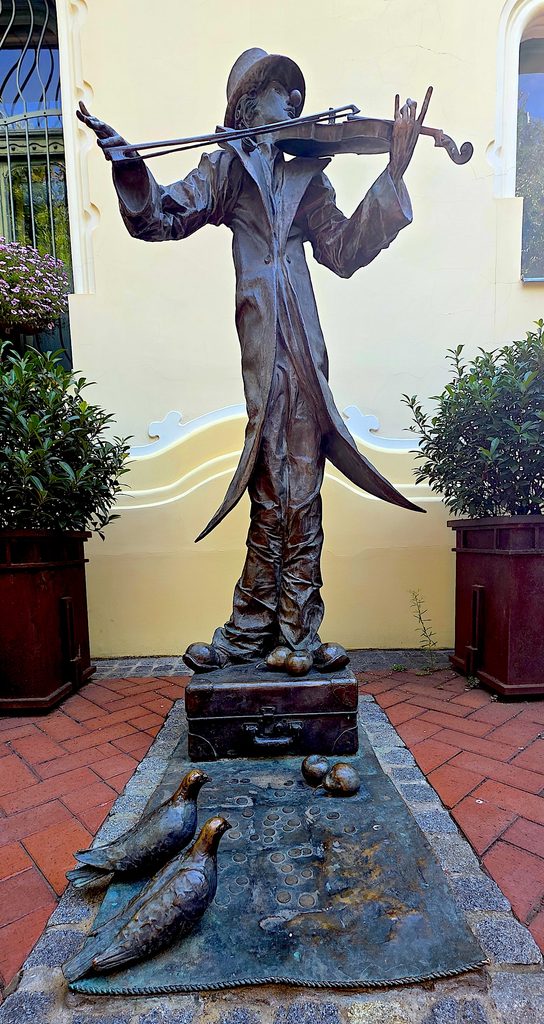
Turning left out of Raichel’s Palace, and then immediately left again, you go through an archway that leads to what was once part of the Palace grounds. Now owned by boss of the Vineyard Zvonko, this is an unbelievably classy joint that, if for no other reason than its delightful interior design, you must stop for coffee. The statues and ornaments are something else and once your coffee has gone cold, a wander around the building will leave you in awe. No detail has been forgotten. There are three different areas you can sit. In the Terrace Garden. Inside or out on the Street Patio. All three have very different characters and the tranquility here, the service and the setting are a place you simply must just stop a while.
3. Matije Korvina Street
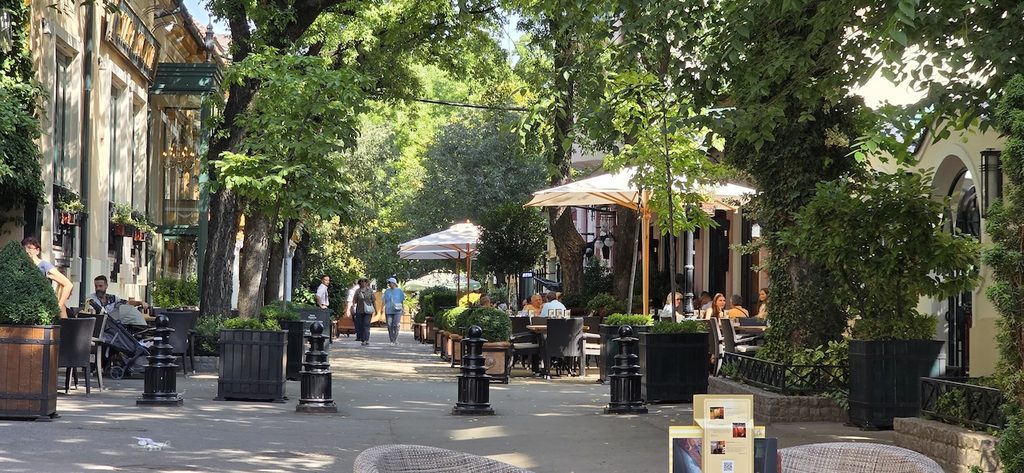
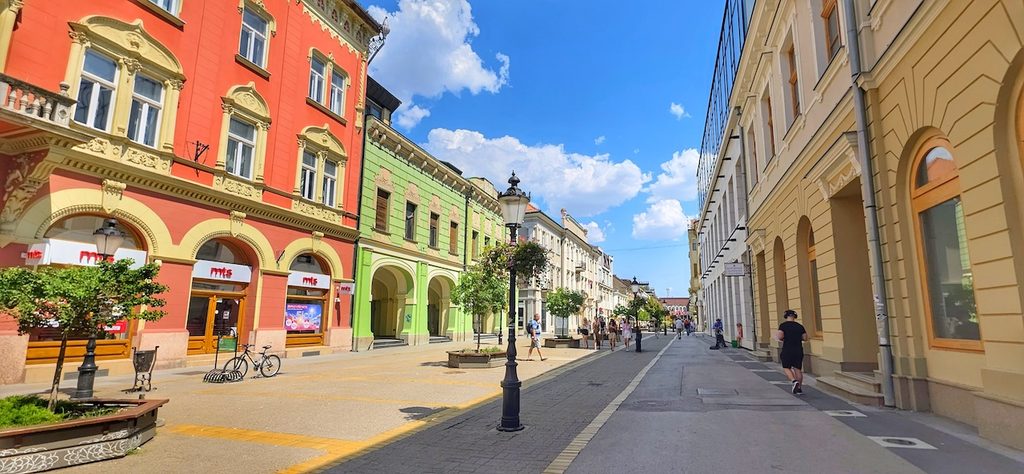
Heading out of the front of the Boss Cafe, you are immediately on the famous cobbled street of Matije Korvina. This pedestrian street is full of atmospheric cafes, bars and restaurants.This is quite simply a place to get lost amongst the chilled vibe of people watching, eating and generally whiling away the time beneath the canopy of charm and elegance that this street creates.
4. Where the locals go to eat – Bates
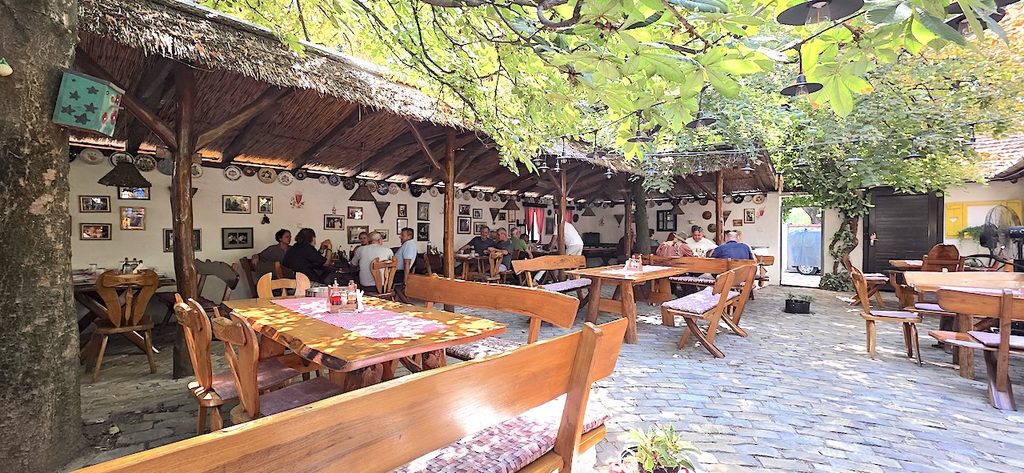
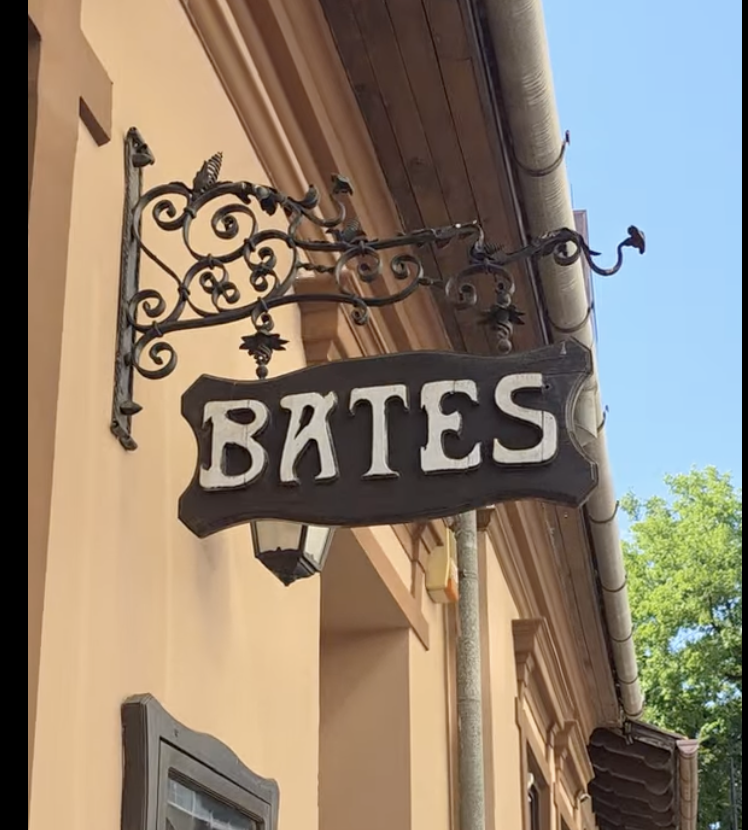
Heading right out of the Boss Cafe, keeping walking straight down the Matije Korvina street to the end. Hang a left and when you reach the bicycle shop on the corner hang a right. And it is here that you will find an authentic restaurant where the locals come to eat. No tourist prices or superficial rubbish. Just genuine chatter from the locals where diverse cultures meet beneath one roof.
Bates is a wonderful place to eat and relax. The food is a mixture of Hungarian flavours and Serbian portions with a touch too much salt for our liking. But the minute you walk through the door of what looks like an unassuming restaurant, in a part of town you would not expect to visit, you will be drawn into its soul. It’s like a Tardis and the further you walk in the more the space opens up. Try their Rakija – it is delicious. Here are the specific directions in Google Maps.
5. Subotica’s High Street
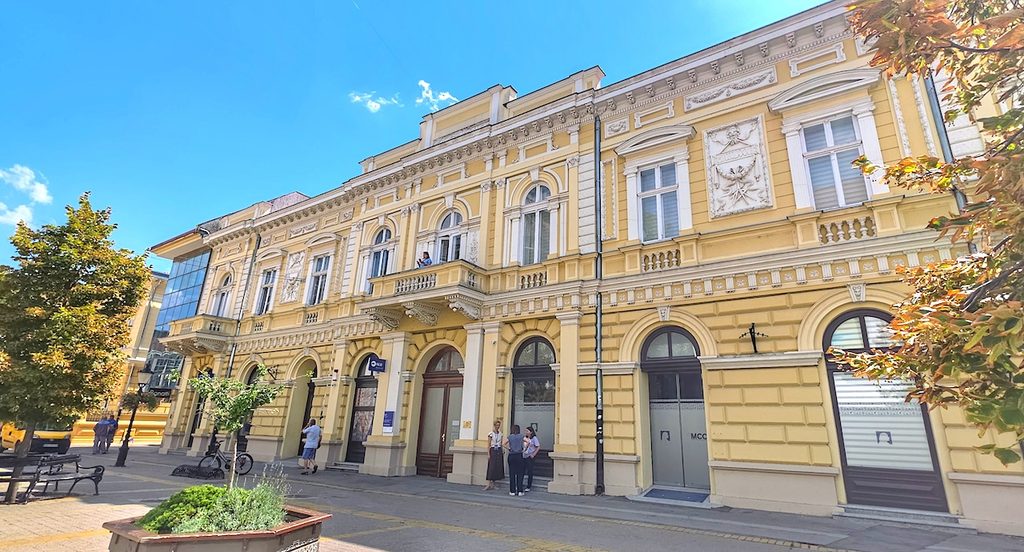
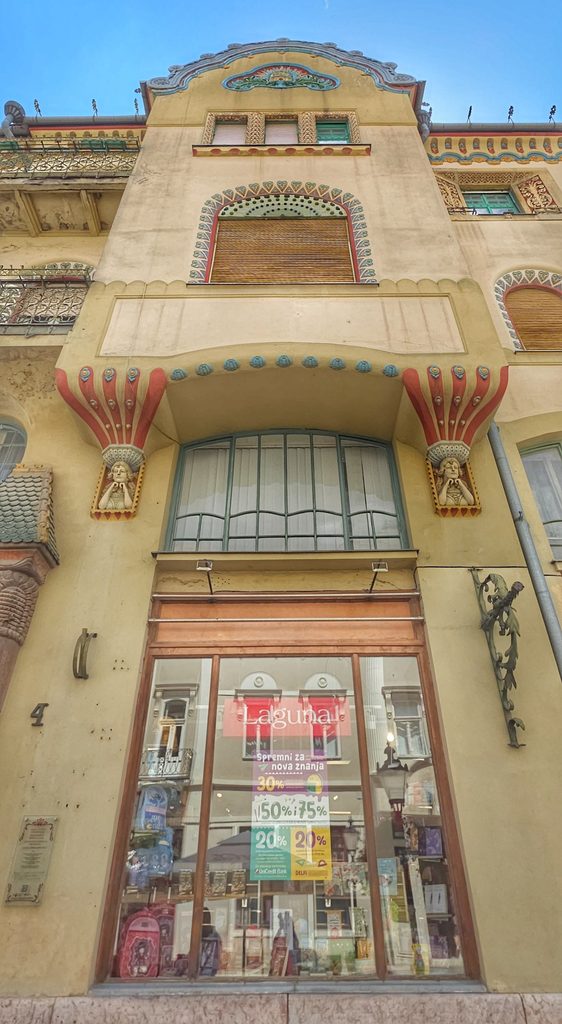
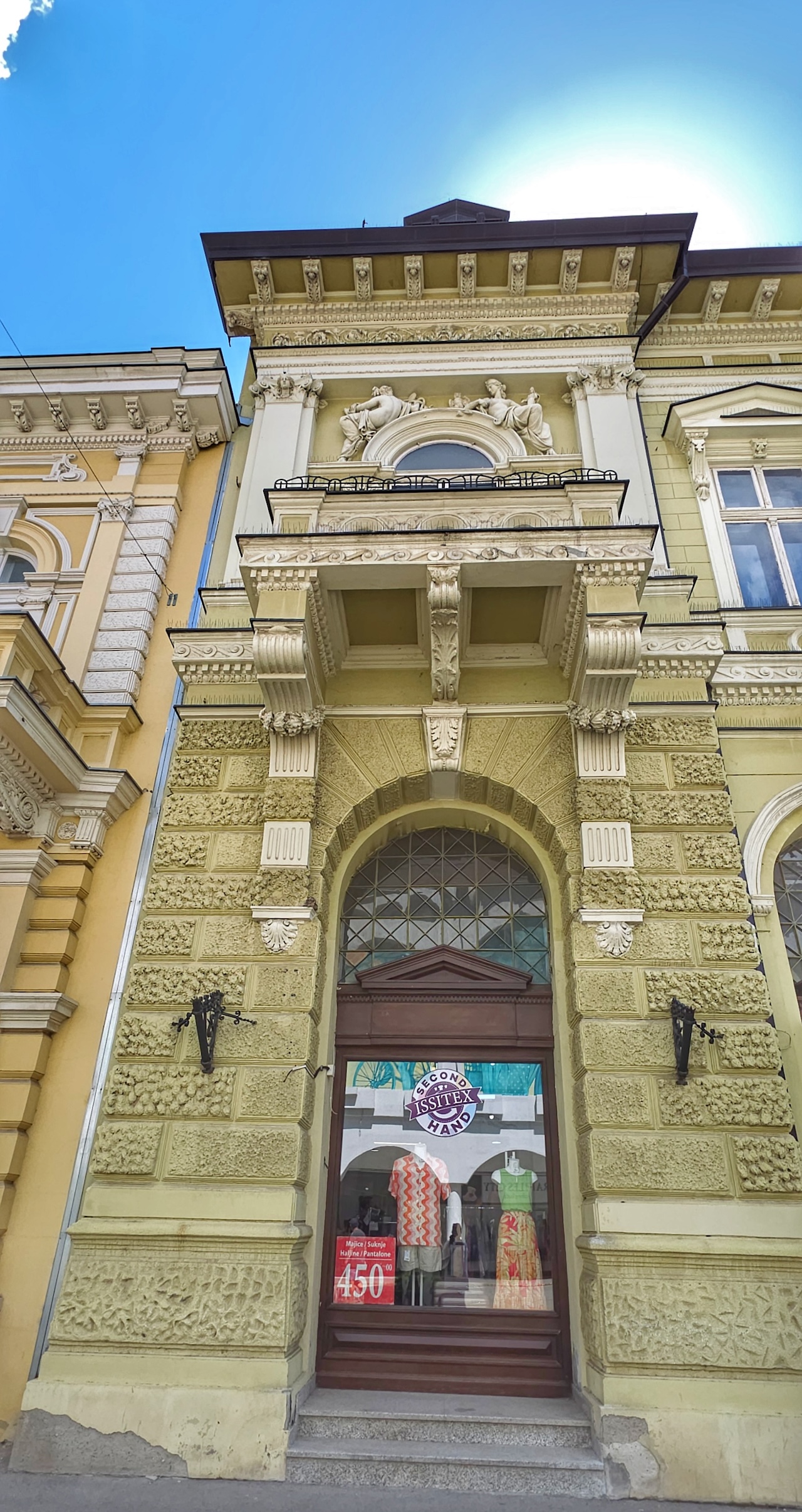
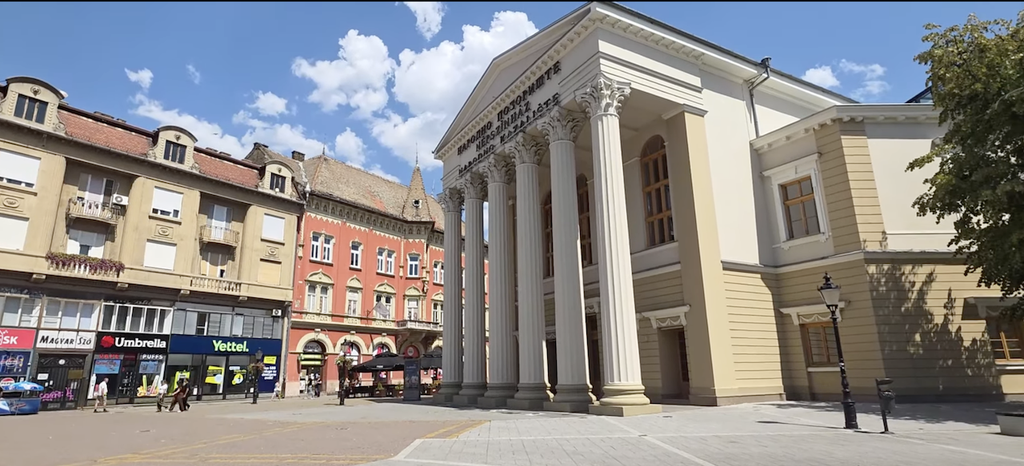
Not all High Streets are made the same. And this is no more true than in Serbia’s northern most city. Subotica seriously knows how to impress, but not with its shop fronts. Look up. Marvel at the design of these buildings which appear to have jumped straight out of a fairytale book. You might be tempted to shop, but I suspect you will be far more awestruck by the architecture to think about shopping.
6. Republic Square
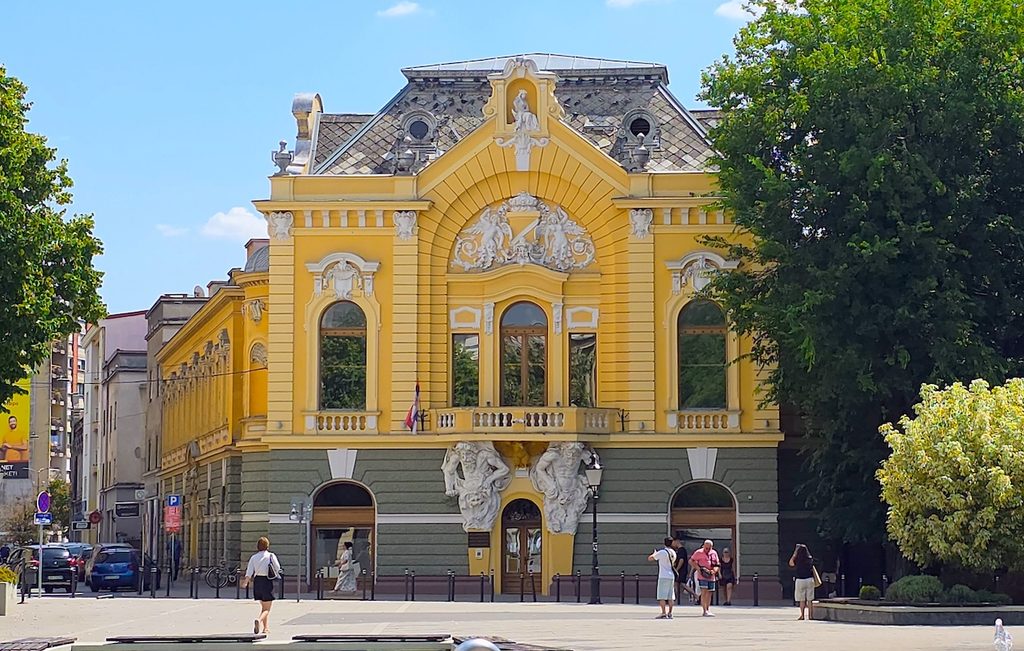
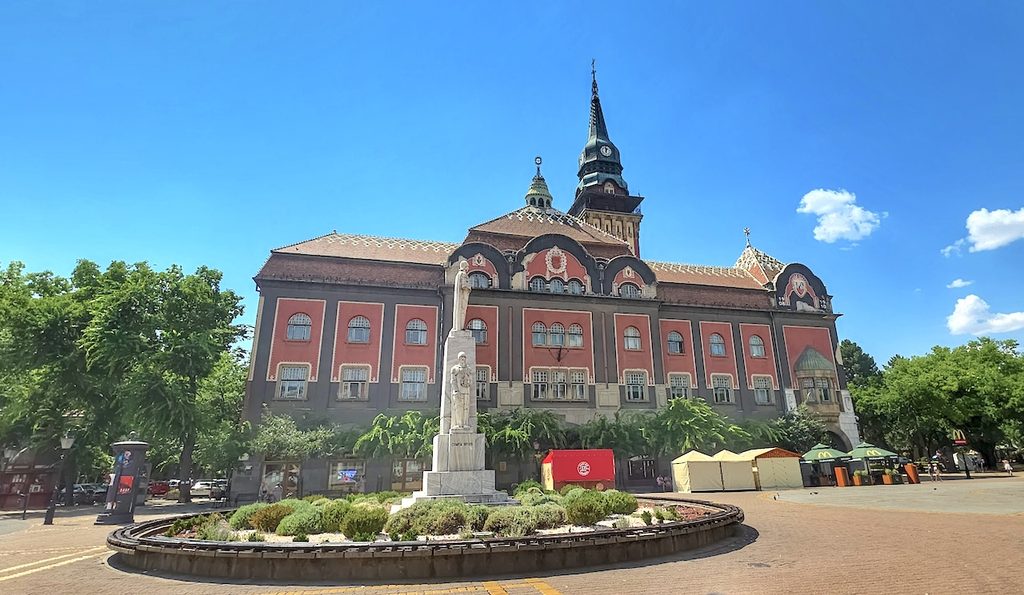
You’ll not miss the Square. It is the centrepiece of the city. Take a moment to take in what must be one of McDonald’s finest locations. Now we’re not fans of their fast food, but boy that building is something else. Coming around the corner of the elegant pillars of the National Theatre, your eyes will be met with nothing short of a breathtaking building. The City Hall. With its intricately designed roof that sparkles in the sun, this demands your gaze for more than a moment or two. A teasing glimpse through the pillars drives you to explore more, such is its magnetism. But before we talk more about the City Hall, for a moment just stand and enjoy the whole vibrancy of the Square.
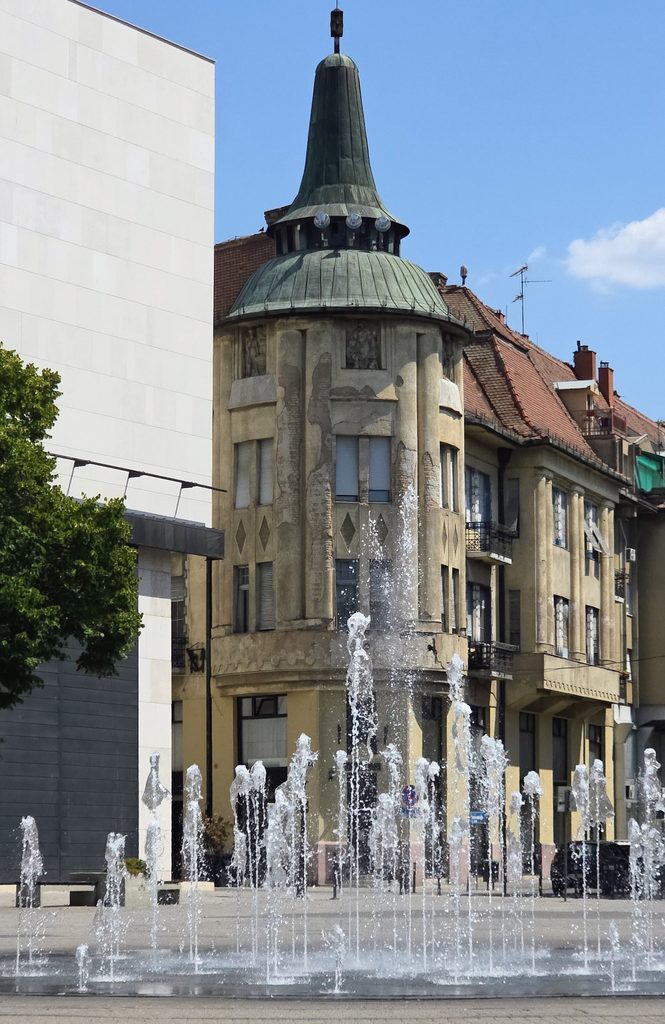
The other side of the fountain you have the National Library standing proud in its primrose yellow glory. But it is hard not to take your eyes of the City Hall.
7. City Hall Tour
Now the City Hall is not just splendid from the outside. By all means admire its 20th century magnificence and the gardens around it, but it is inside that will truly impress. At 12 noon on the nose, you can take a 1hr tour of the inside of this beauty with an English speaking guide. It was built between 1908 and 1912, so young in comparison to some history books. but a tour is absolutely worthy of your time.
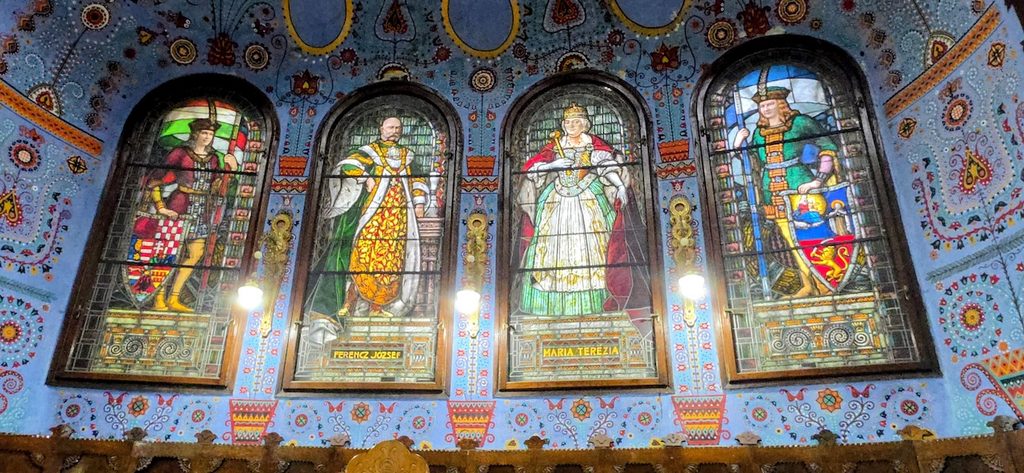
This is still a working Town Hall and that in itself feels quite a privileged reason to go. You get entry into the main Assembly Hall, get to sit in the chairs and marvel at the exquisite carvings, ceramics and mosaics. The detail is exceptional with inspiration from the Hungarian architects, Marcell Komor and Dezső Jakab. Drawn by nature, you will see so many references in the decor that honours the natural world, peacocks in particular. This is very central to the Secession Art Nouveau design and the City Hall is a perfect symbol. The cost of the tour is 200 dinar which you pay when you enter the building. There may be an opportunity to climb up to the Observation Tower for an additional fee, but it wasn’t available when we visited.
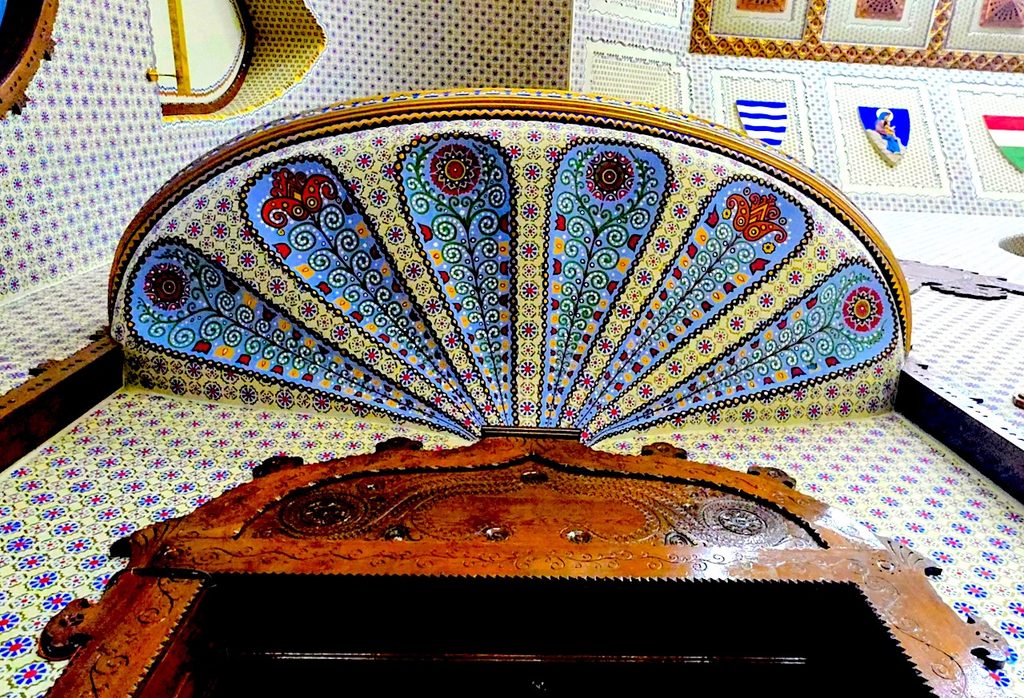
Before. you leave the City Hall, which by the way is where you will also find the Tourist Information Centre, have a wander around the Park in front of the main entrance. The Plava or Blue Fountains are pretty and the sculptures around this peaceful park are interesting. The fountains are a relatively new addition to Subotica’s Old Town, built in 2001 with ceramics from Hungary. They fit in very well to the Art Nouveau style of the city.
8. Cathedral and Square of the Victims of Fascism
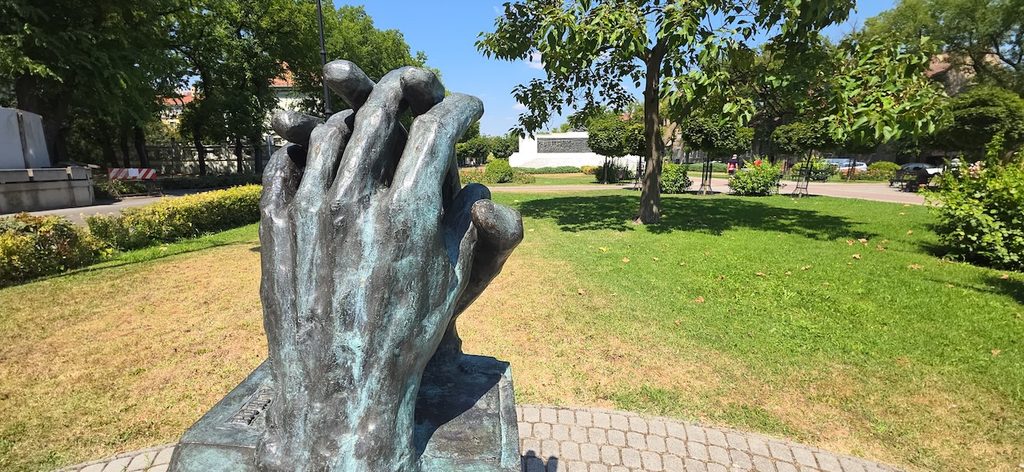
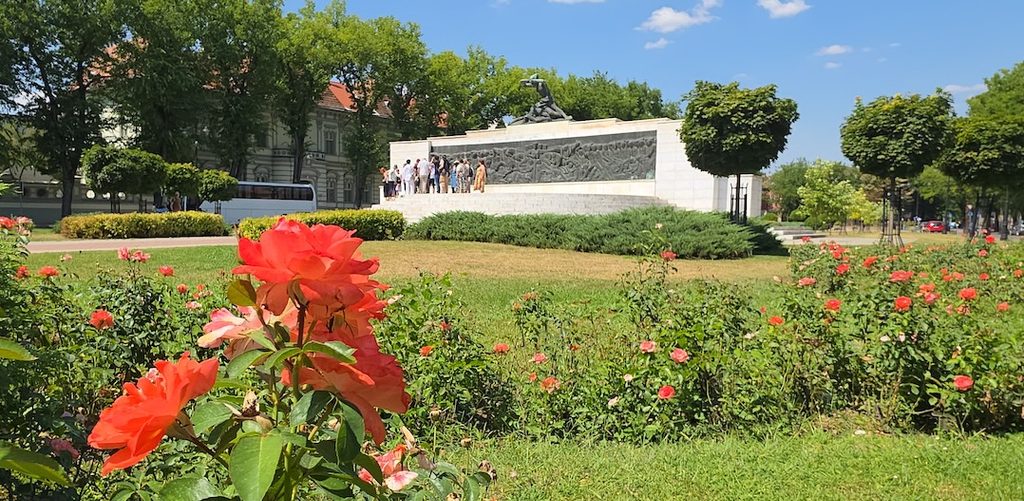
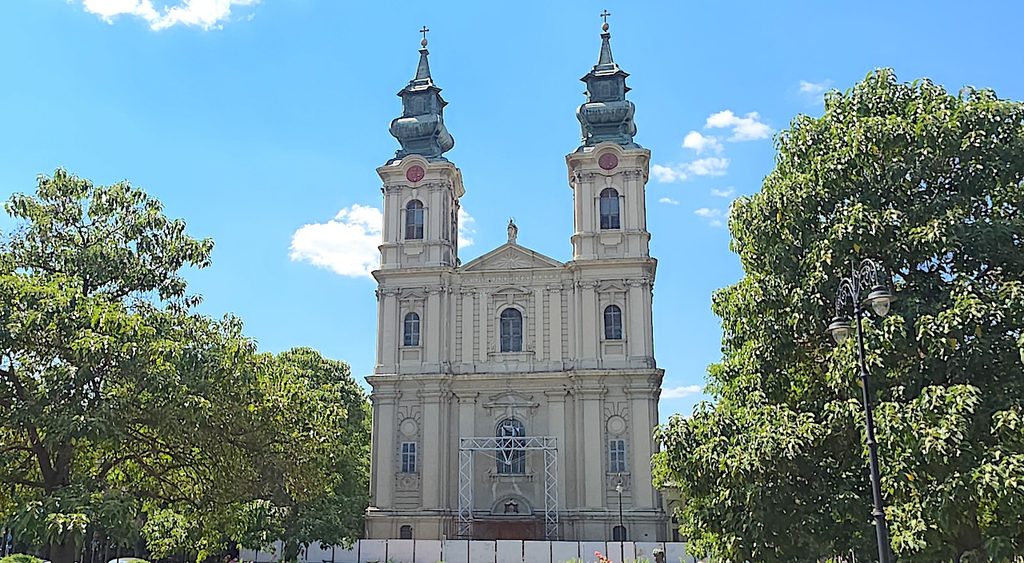
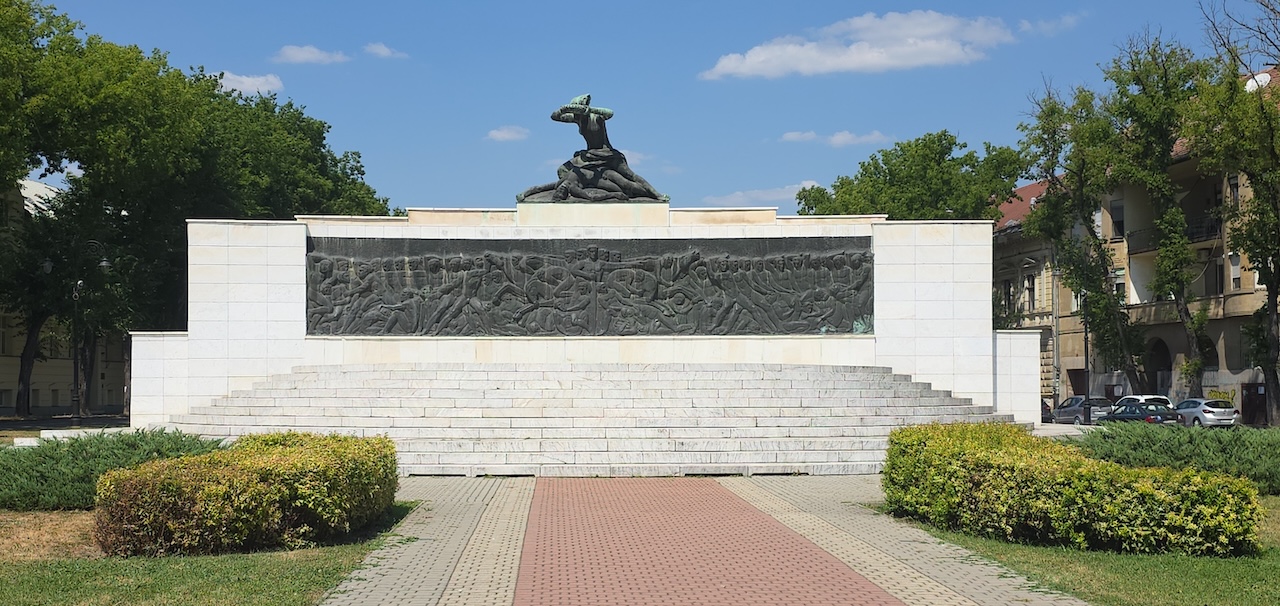
A ten minute walk away from the City Hall, you will find yourself heading towards the twin spired St Catherine’s of Avila Cathedral. But remember, continue to look up, even on this road out of town. There is still plenty of beauty to be seen despite the slightly more bland houses. The area around the Cathedral is worthy of a stop, for a moment of remembrance for those who died at the hands of Fascism. The Square has been beautifully designed with landscaped gardens and statues, with the main memorial taking centre stage.
Sadly the Cathedral was undergoing repairs whilst we were visiting, but it is still an impressive building that commands the air of this part of town.
9. Jewish Synogogue
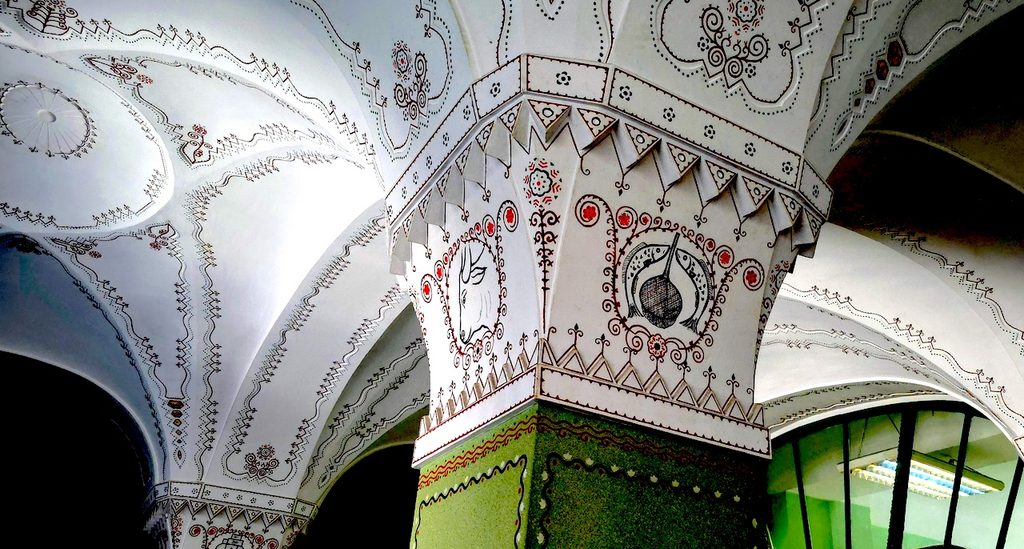
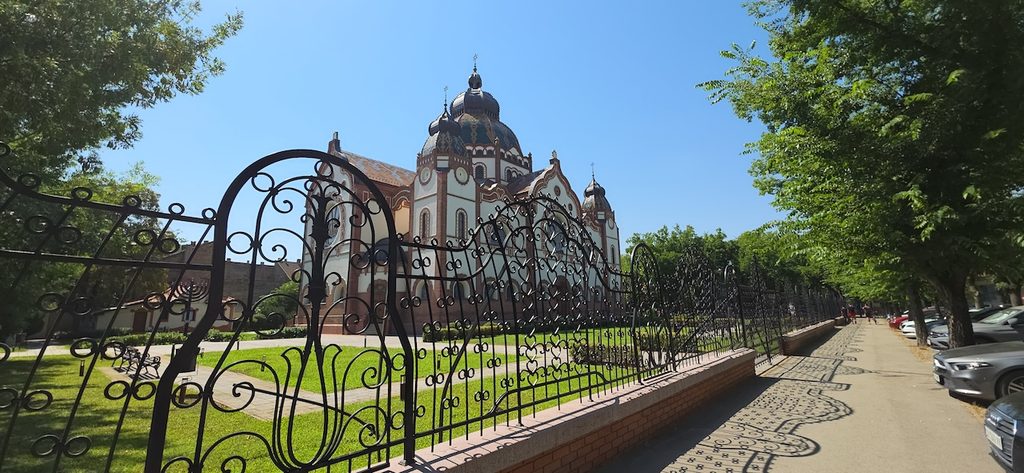
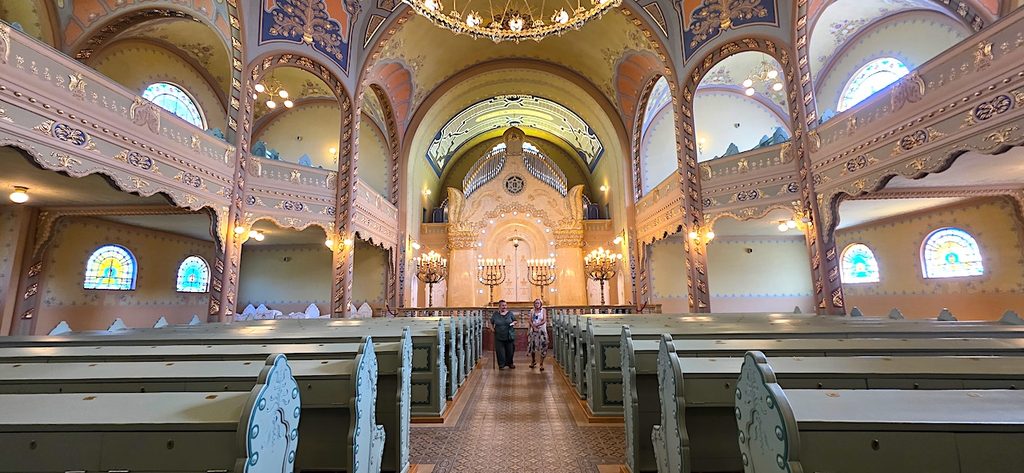
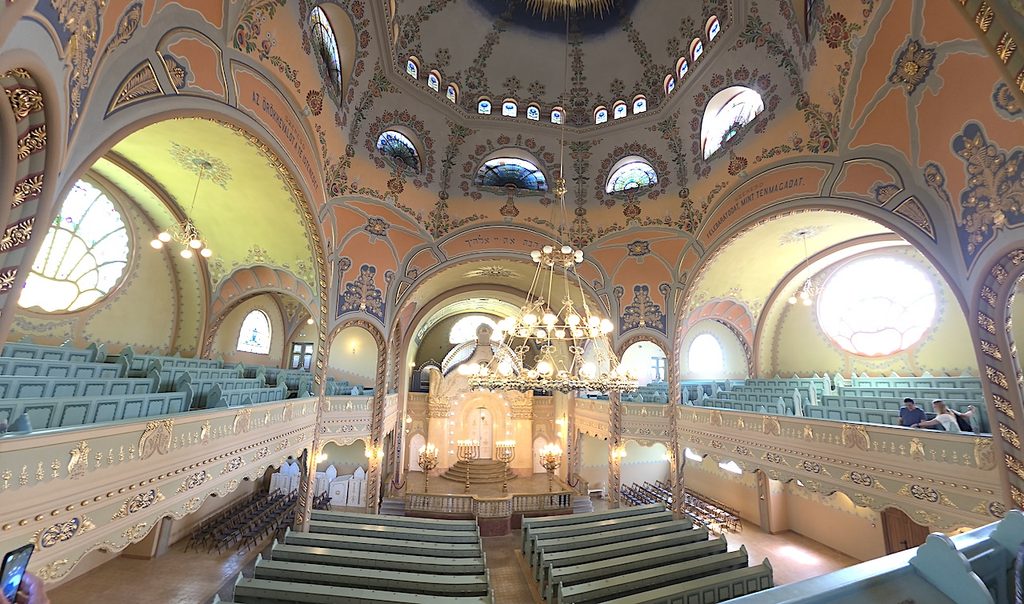
Around 1775 Jewish settlers made Subotica their home. And by the time WW2 struck, 6,000 Jews lived here. In 1900 this incredible Synagogue was designed by the same architects Marcell Komor and Dezső Jakab and over the following two years was painstakingly constructed. This is not just a work of art, it is the second largest Synagogue in Europe, second only to Budapest. During the Holocaust, 4000 of the Jewish population were slaughtered so the Synagogue was handed to the city because of depleted worshipers. And for a time it was used as a theatre. Today, whilst it still actively holds services, it is a significant tourist hot spot. For just 150 dinar you can enter the Synagogue irrespective of your faith and stand in amazement at the detail of the design. I’ve never seen anything quite like it. Every wall, column and window has been designed with beauty beyond words. It is one of those places where you feel like you could just sit for hours and simply soak up the delicate detail that makes this such a special place.
And as you are near by, just opposite the Synagogue you will find the National Museum, if this is you cup of tea. It is open from 10am-6pm from Tuesday to Saturday and costs just 150 Dinar.
10. Bronze Plumber – Dimitrija Tucovića Street
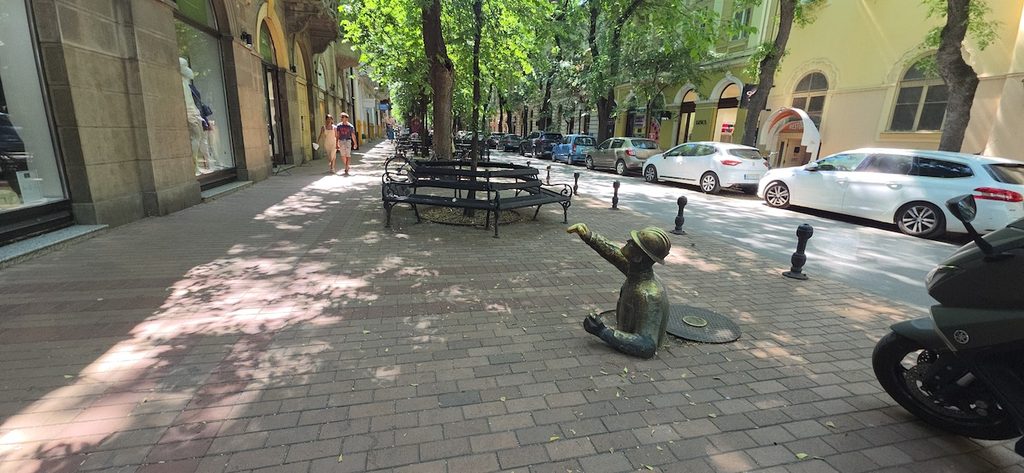
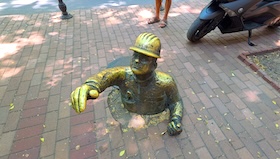
A fun little discovery we made as we walked down this delightful tree-lined street with the vibe of a Paris avenue, was to find the bronze Plumber. In my research there seems to be no specific reason for his presence, but he is charming discovery.
And that is the magic of Subotica. A city beyond words and one that will transport you into another world. But there is one more delight awaiting you, just a little drive away.
Don’t Leave without seeing Palić
It would be a travesty if by spending time in Subotica, you didn’t take 10 minute journey to neighbouring town Palić. A short taxi drive or cycle on dedicated cycle paths will bring you to yet another quaint and uniquely designed town.
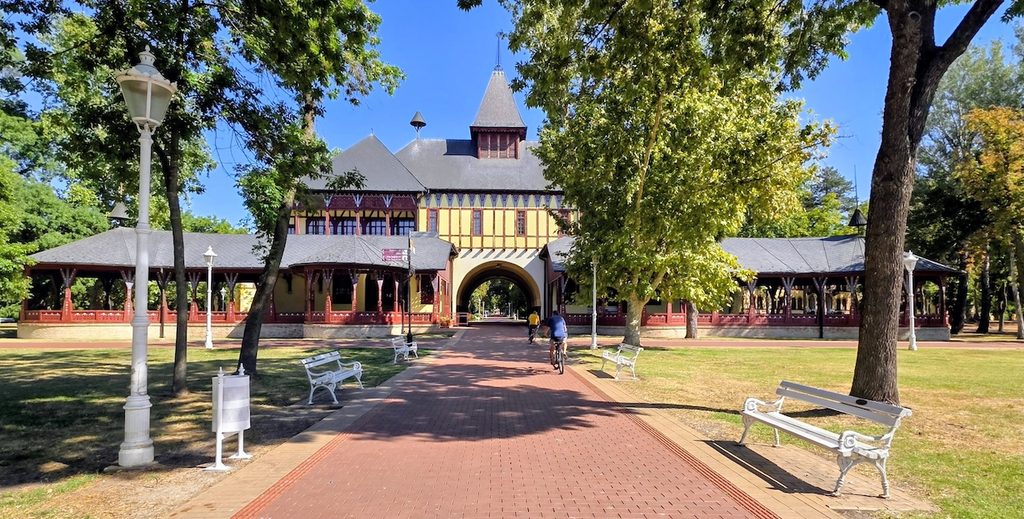
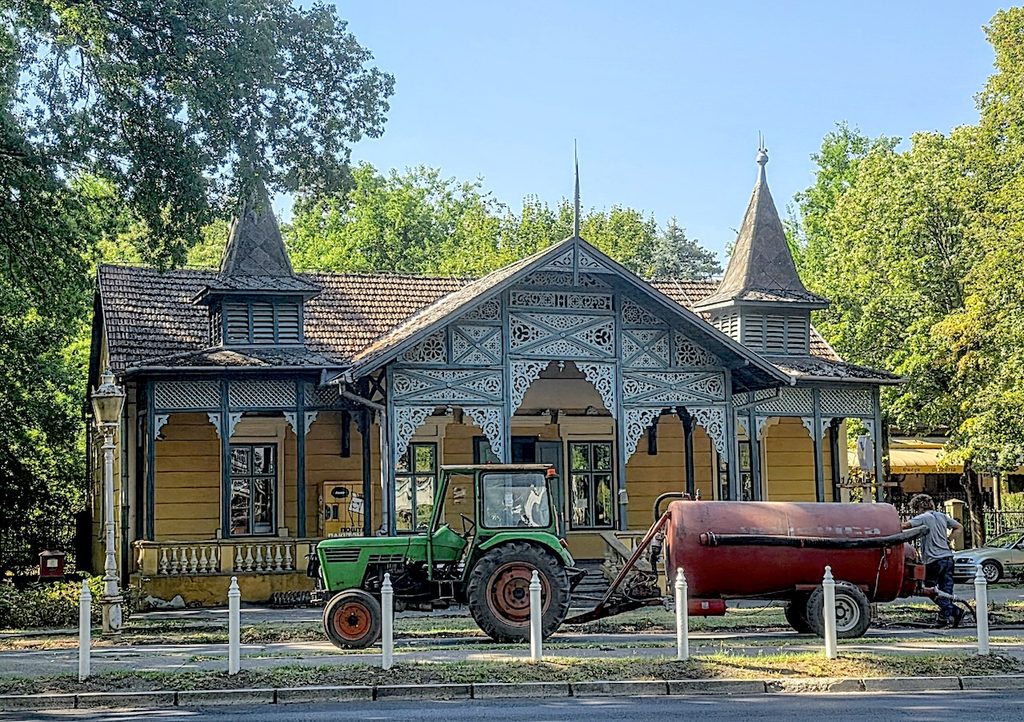
Palić rose to fame in the 18th century when it was discovered that its lake mud had healing properties. It attracted the elite from Belgrade and Budapest and soon rose to become a spa town. Once again you will be overcome by the quaint, fairytale vibe that Palić emits.
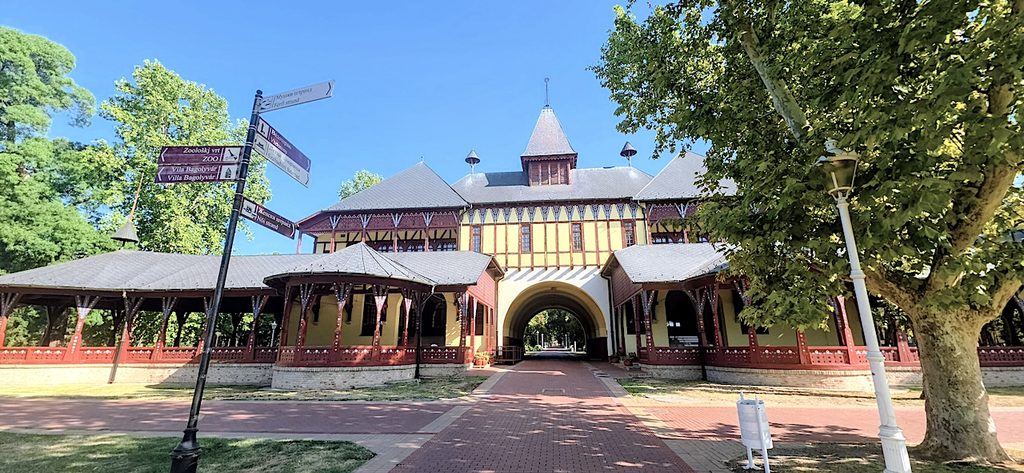
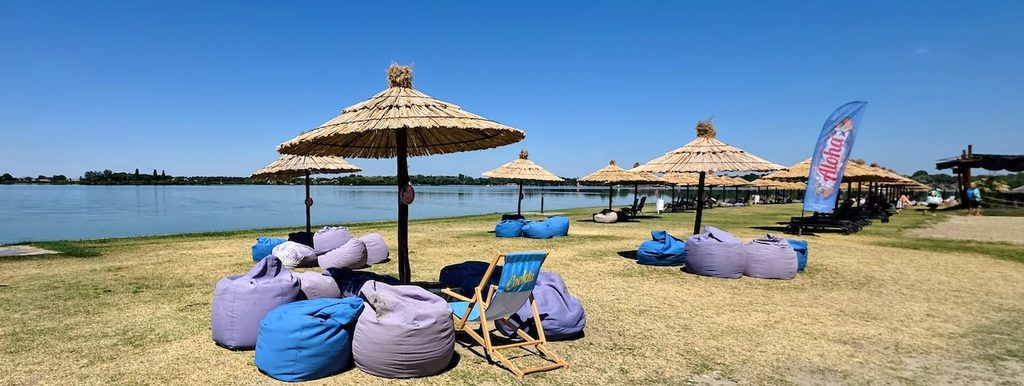
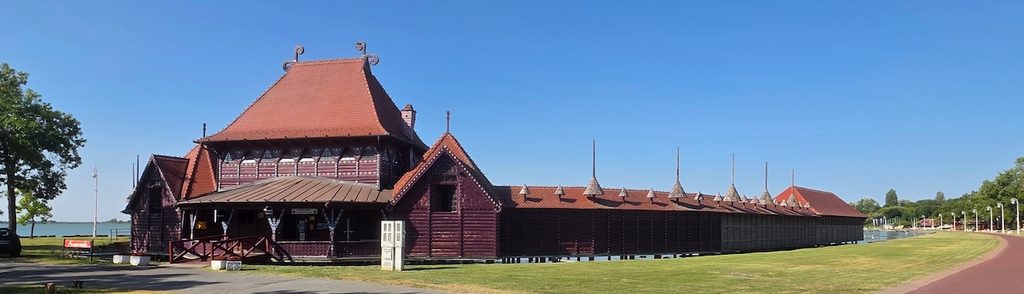
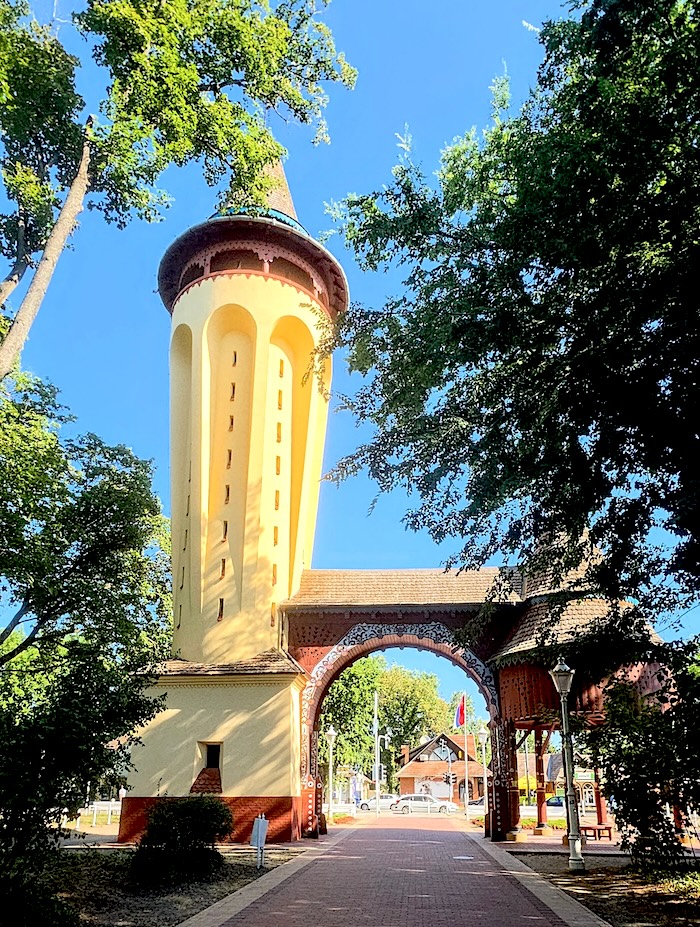
Whether it is walking through the town with its historic houses or taking a stroll through the Park with its iconic Water Tower, Womens’ Lido and Grand Terrace. There is a cycle path around the 17km lake where you can find a lakeside beach with bars and cafes dotting the shores. You can also learn about the pioneering Palić Olympics which launched in 1880, 16 years before the modern Olympics were created in Athens.
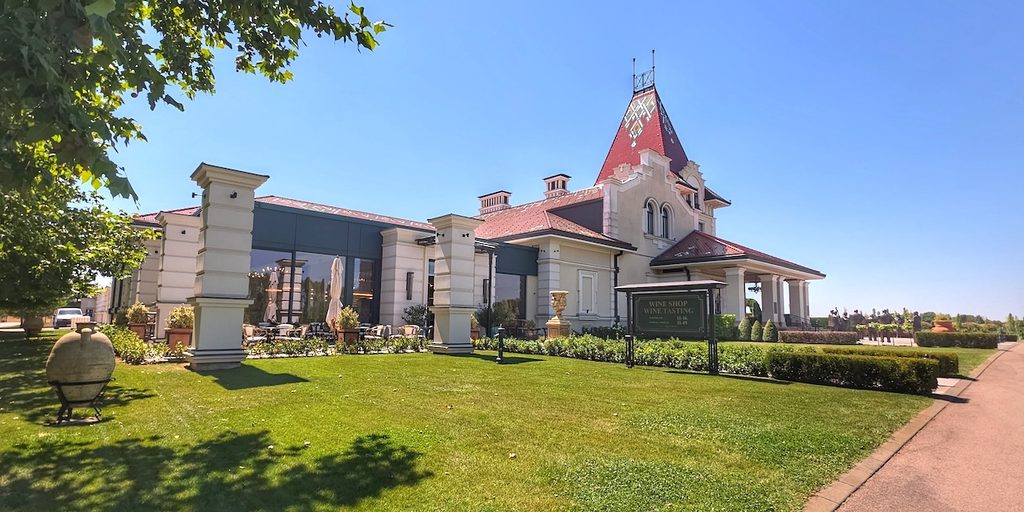
And just a few kilometres away you have the beautiful Zvonko Vineyard selling the most sumptuous wines, one of which is from the Tamjanika grape; the oldest in Europe and grown in Serbia. Sampling and purchasing is a must if you are a wine lover.
I hope I’ve sold the notion of staying a while in the stunning Subotica region of northern Serbia. Passing through is really not an option if you love to experience the heart and soul of cultural diversity. It is a visit that you will not be disappointed by.
0 Comments