
Very few people know Serbia as anything more than a fast route through to Greece. We saw evidence of that on our recent road trip here. Sat in a campsite north of Serbia’s Niš, we were fascinated how many travellers used it as a one night stopover. In their pursuit to reach the Aegean azure seas, they miss an iconic city that we stumbled upon and spent a few days exploring. And we are richer for the experience. We share why we think you should give this place some time.
Introduction to Niš; Serbia
Niš was a beautiful surprise. In truth the whole of Serbia in our first four weeks here was a beautiful surprise. Perhaps no more than a transitory country for sun-seekers heading to Türkiye, but having spent a couple of days here, we feel it needs to be firmly placed on the map as a place to stay and explore.
Whilst Niš (pronounced Nish) may be hidden in the south west of the country, it boasts being Serbia’s third largest city. Now that in itself is a big claim. And one that, in truth would normally put us off a visit. But when you see what it has to offer, you might just be interested in stopping for longer.
As with most cities, the outskirts are always built around commercial zones and for that reason alone, never very attractive. But delve deeper into their inner hubs and a very different personality is revealed.
140 miles south of Belgrade it has a population of just under 180,000, but it is perhaps it is its past that shows us more about the beating heart of Niš and what makes it so special.
Niš – built on strong Roman foundations
When we think about the Romans, our mind jumps immediately to the Western Empire, the straight Roman roads in England and the many Roman ruins through Europe and even into northern Morocco at Volubilis. It wanders less to the shores of the Balkans despite its proximity to Rome. But the history lesson, here in Serbia, is profound. Did you know that there were 17 Roman Emperors born in Serbia alone?
One of the most influential Emperors has to be Constantine the Great. The man that brought today’s Istanbul to life as Constantinople, which became the new capital of the Eastern Empire. Constantine was born in Niš in 273 and he ruled the Western Empire from 306AD and then the entire Empire until his death in 337AD. He was the first Emperor to convert to Christianity and legalised the religion, stopping the persecution of Christians.
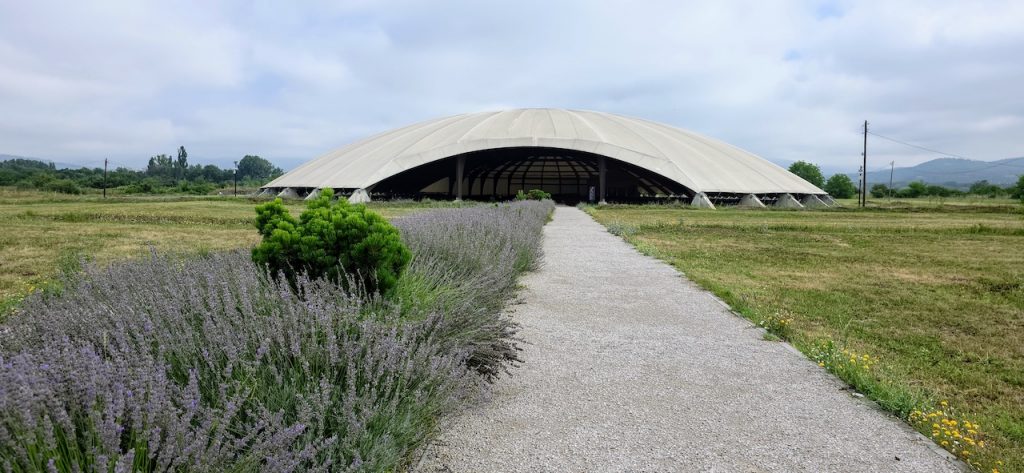
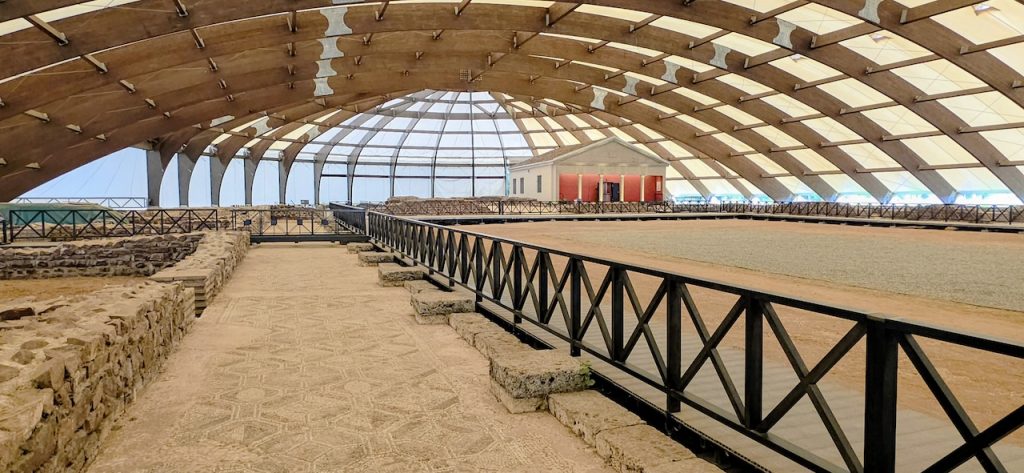
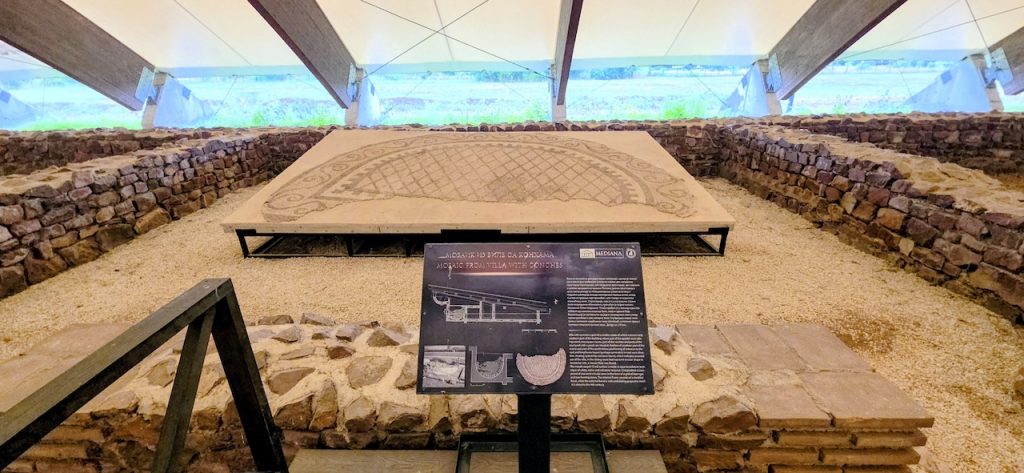
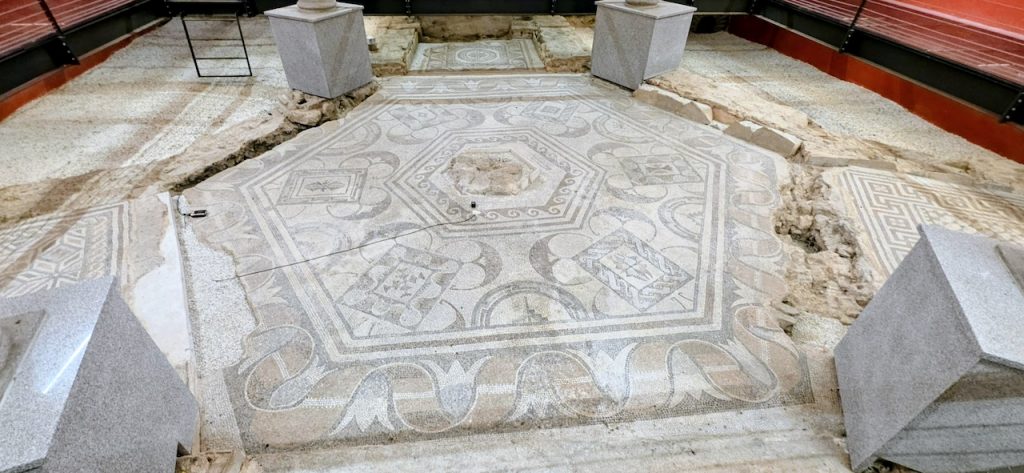
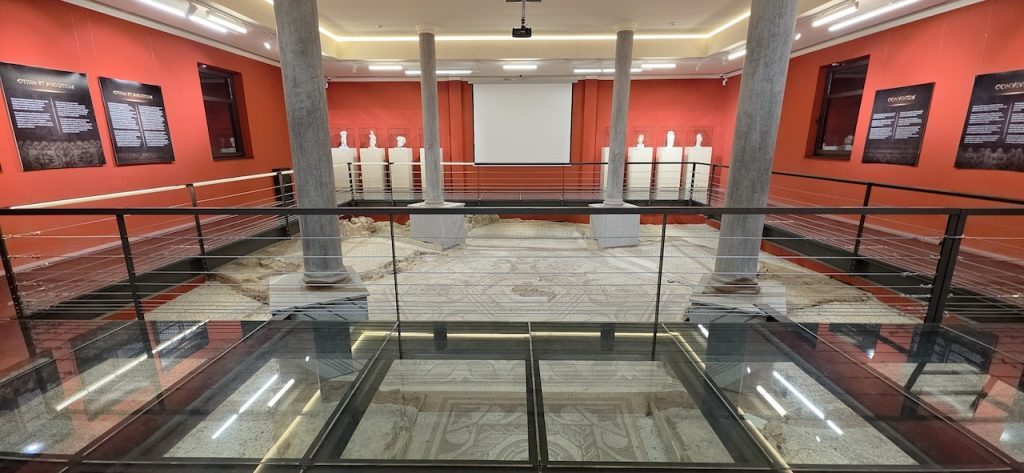
The archaeological site of Medijana in Niš preserves the luxurious suburban villa from his era and for 500RSD you can enter this site. Full of mosaic floors that are still well in tact, the vast area gives you a real feel for wheer Constantine lived, entertained, rested and prayed. Early excavations began in 1933 and up to this day they are still uncovering new features of the residential complex. Although it is 4km outside of Niš there is plenty of parking across the road that gives all size vehicles a chance to see this incredible site, unlike Ćele Kula – Skull Tower just down the road, at which we were completely unable to park.


Niš – World War 2 History
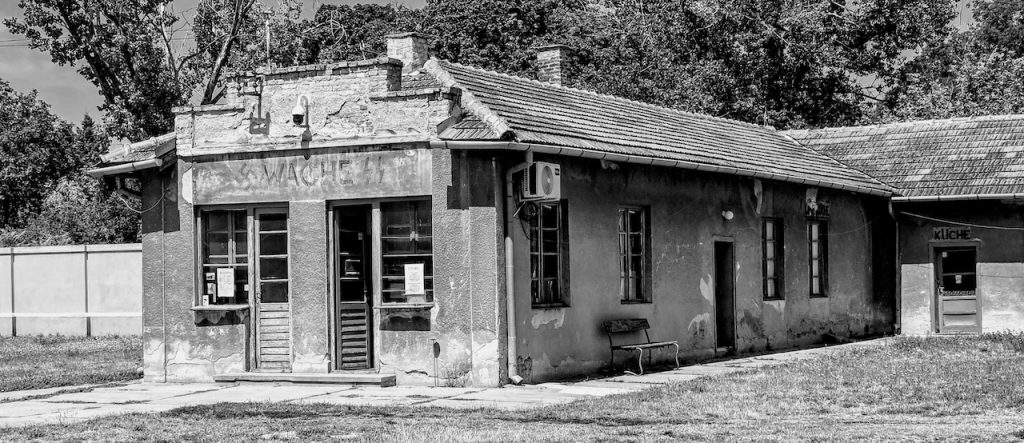
I was totally unprepared for Niš to appear on the list of areas affected not just by WW2 – as the reach was massive. But more tragically as home to a Concentration Camp. We’ve been to many World War memorial sites around Europe – not in a gory way, more to pay our respects to those who lost their lives in the Nazi’s battle for supremacy. It feels really important to keep their stories and memories alive to act if nothing else as a reminder that this history must never be repeated. Sadly a philosophy that has not been heeded by generations that followed, but it still important to keep the ripples flowing.
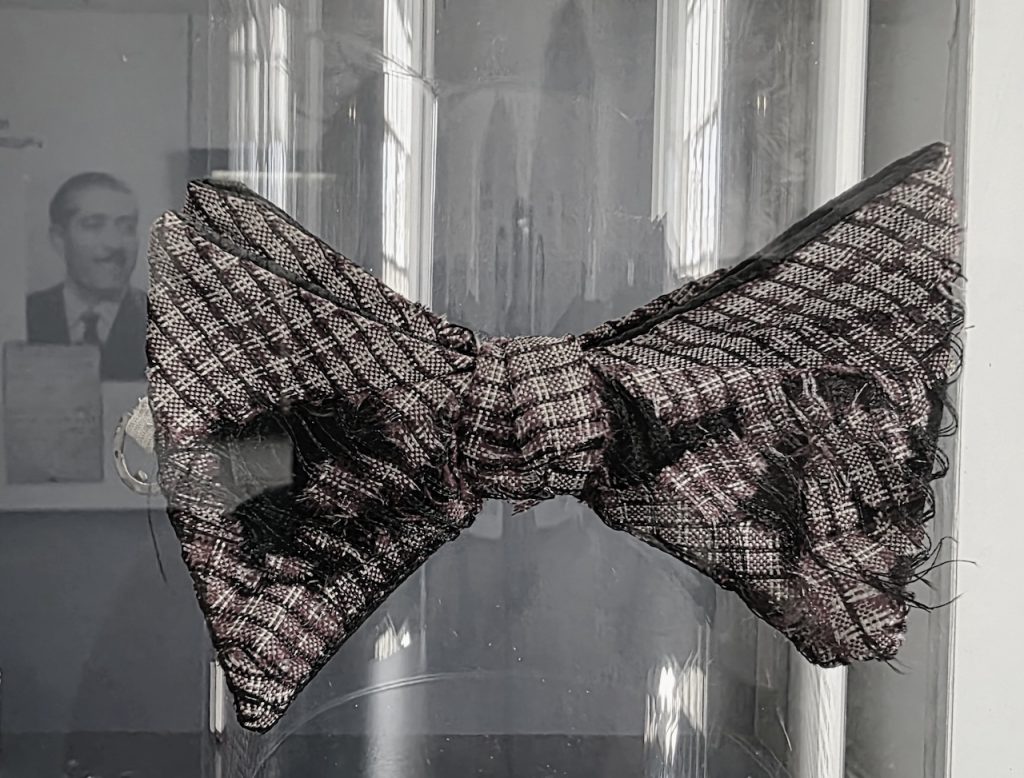
The Red Cross Camp was set up by the Nazi’s in occupied Niš in October 1941 to house all the Jews, Serbian anit-facists and Roma people they had rounded up. During its time, it is thought that over 35,000 people were detained here, 10,000 of which were brutally murdered.
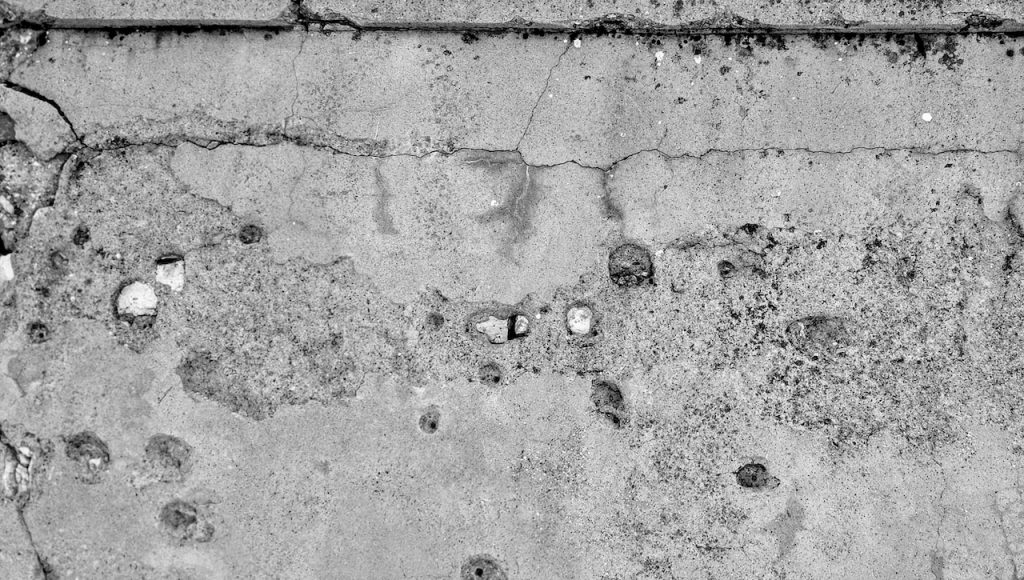
As one of the best preserved of the camps across Europe, Red Cross Camp whilst small, gives you stark reminder of how badly the prisoners were treated and to see the bullet holes in the back wall brings you straight back down to earth. Standing at that spot transports you to a horror unimaginable. The camp was the first across Europe to stage a successful escape. 12 February 1942, 147 attempted to escape and whilst 42 were killed in the process, 105 were successful and evaded capture. In retribution, the Nazi’s slaughtered the remaining camp prisoners.
As these places always are, it was a moving visit, where silence and respectful contemplation is all that we can offer for all those who perished.
Niš WW2 Memorial site – Bubanj Hill
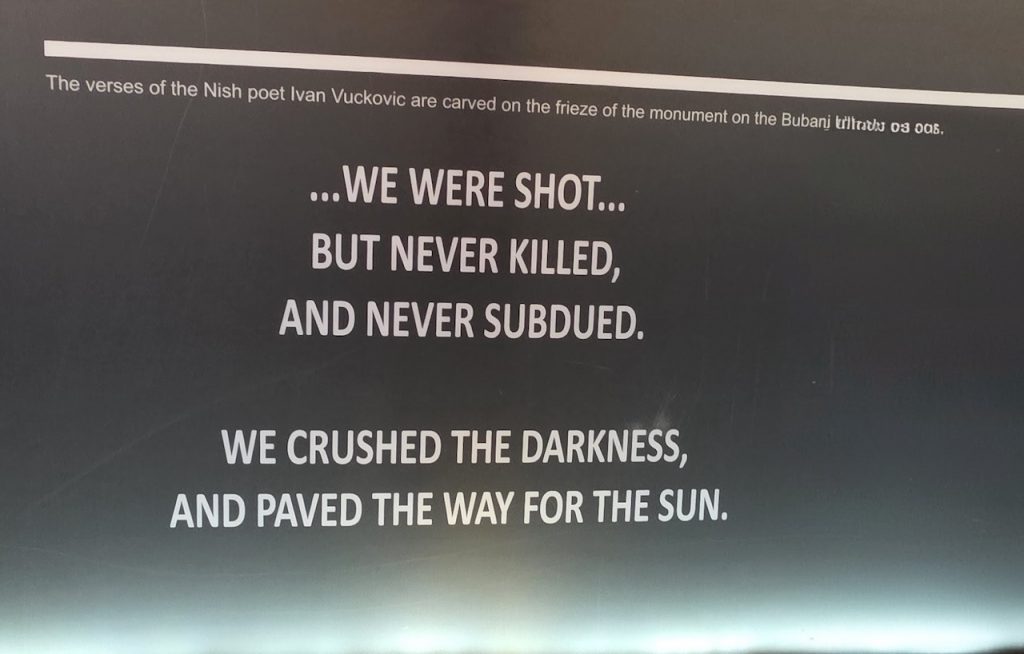
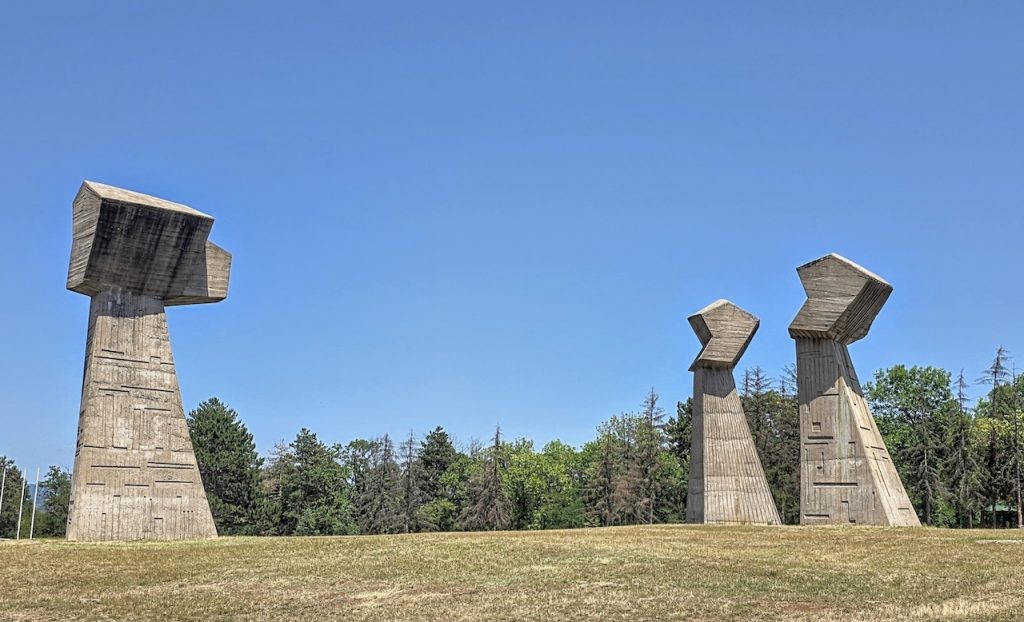
Staying with the WW2 theme, just a 10 minute drive out of town you find a Memorial Park that honours thise who were massacred by the Nazi’s between 1942-44. It’s a solemn space that demands you to be still and remember. Whilst there is no specific evidence of the horrors of that time, knowledge is enough to bring you very solidly down to earth. Bubanj Hill served as an execution site for the Red Cross Camp and it is thought that 10,000 people died here. The saddest of all is that as the Nazi’s were forced to retreat, Italian prisoners were instructed to unearth the murdered victims from the trenches dug in the woods and burn their bodies and with them any closure or retribution for the victims’ families. Evidence left only in the ashes beneath the trees.
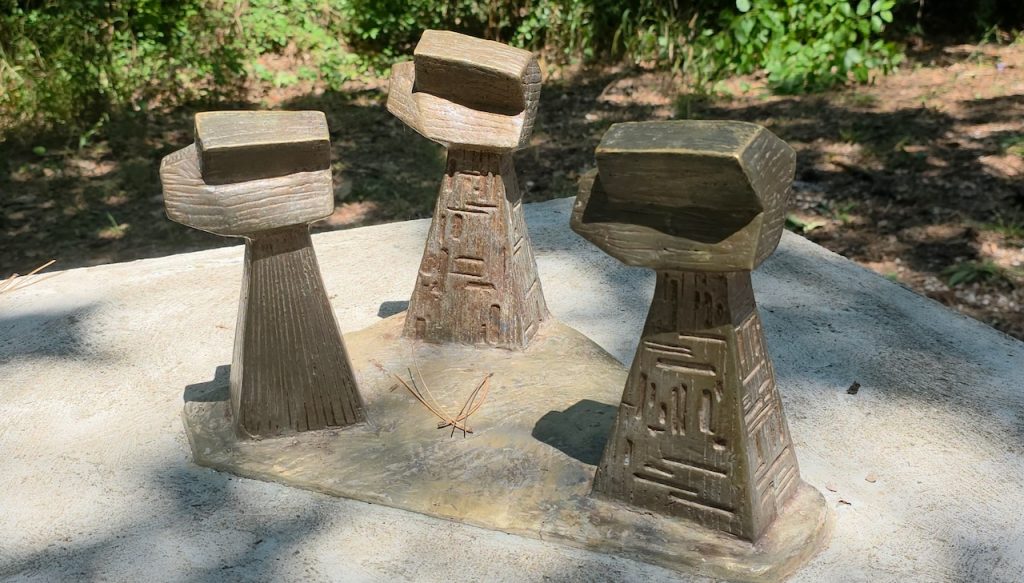
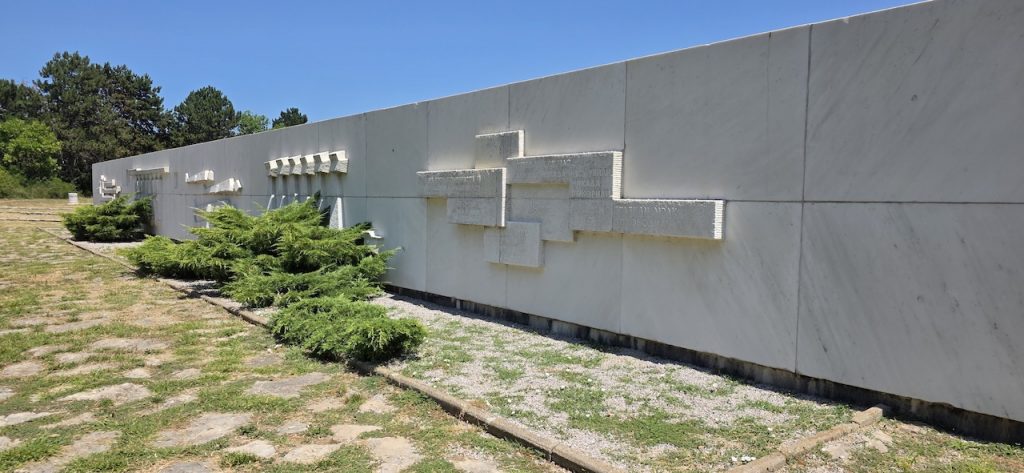
Today the Park offers a place of peace and remembrance where you come to pay your respects. A wall with carvings conveying the wartime horrors asks questions of you as you interpret the mural. And it cannot be ignored that in the middle of the park stands three massive clenched fists symbolising the defiance of the prisons against their protagonists. Each one representing men, women and children who died here, but more poignantly that it was entire families who were massacred.
Niš Fortress – Ottoman Influence
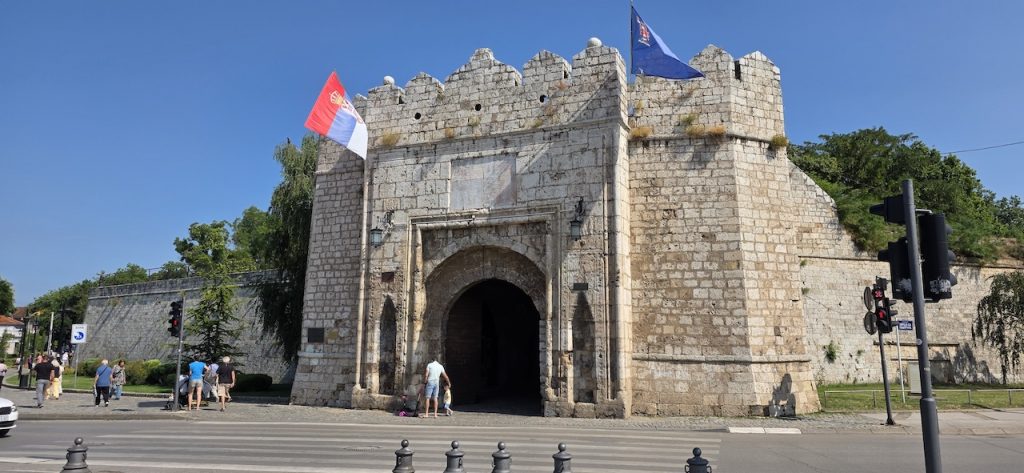
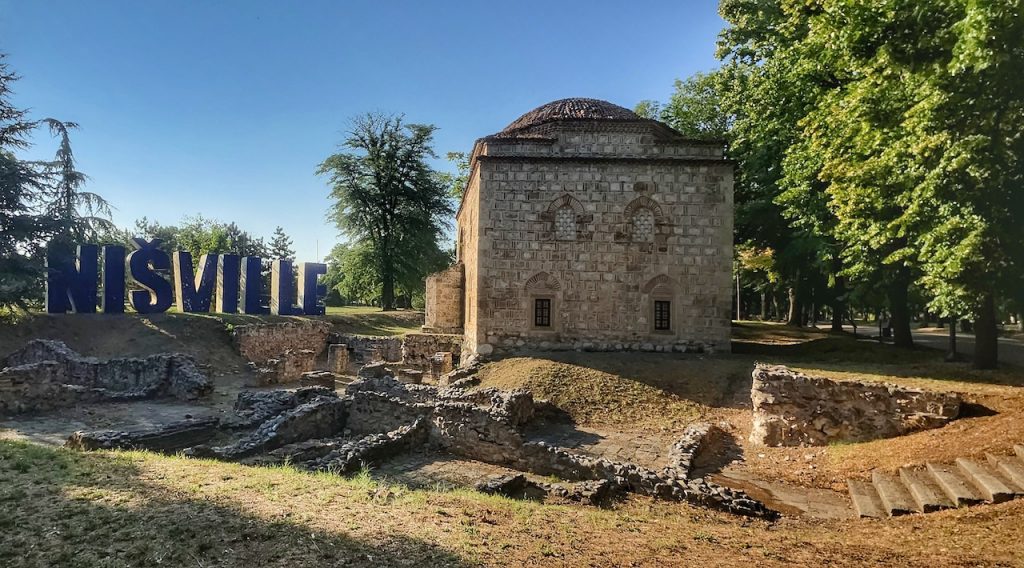
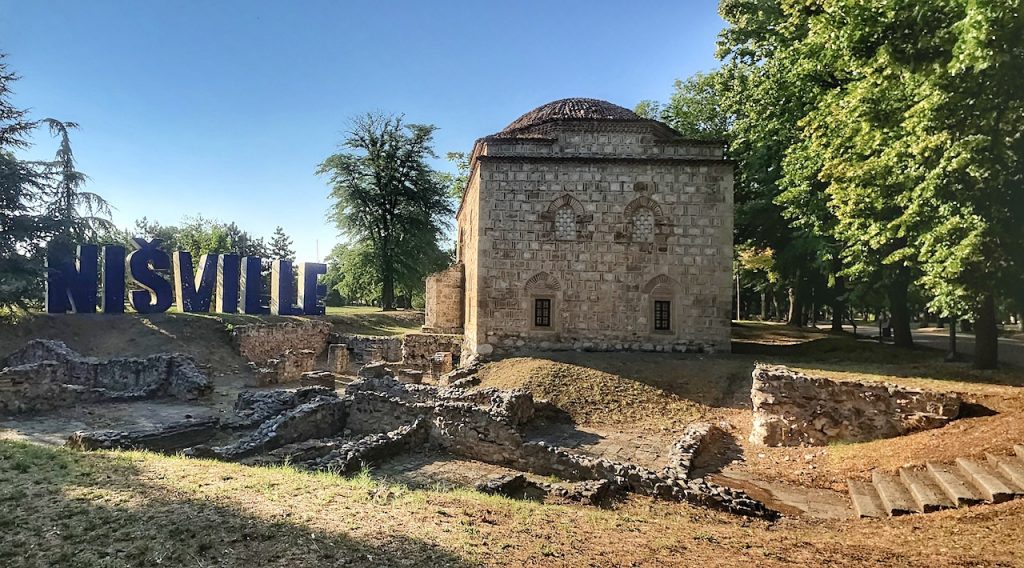
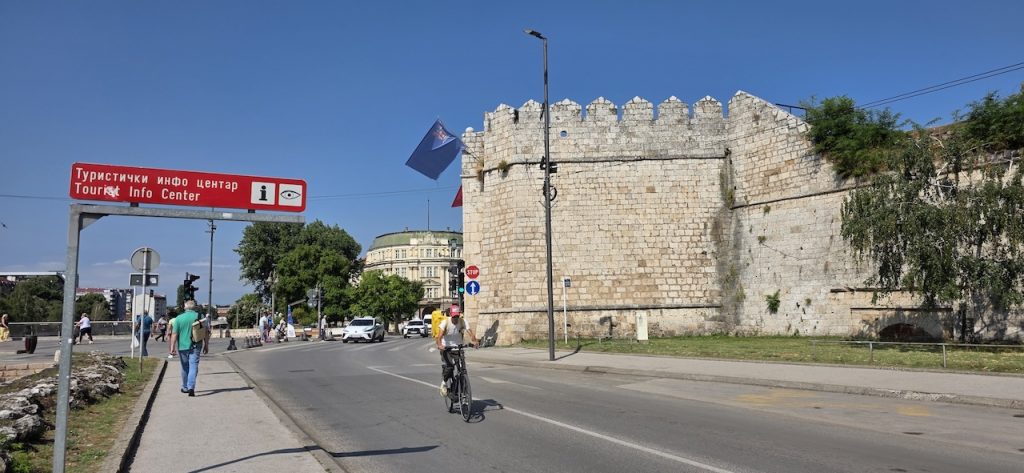
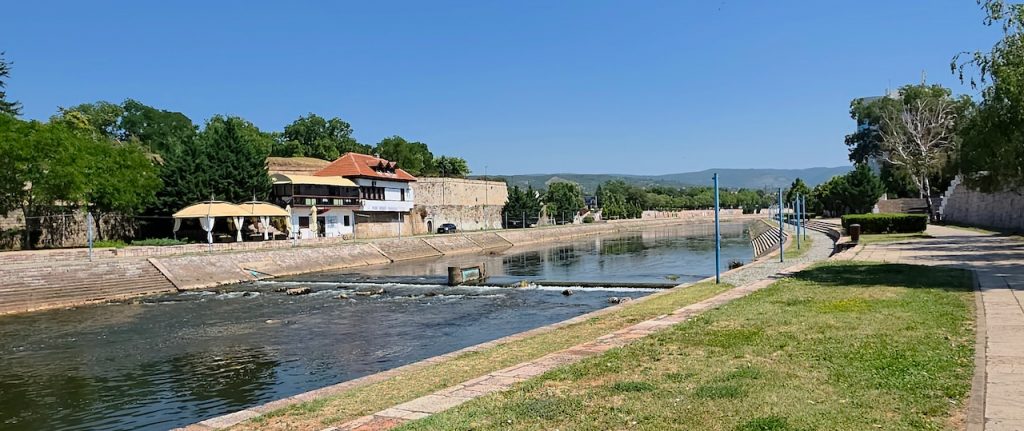
Niš is an example of the best preserved fortresses on the Balkan peninsula dating back to the 1700s. Overlooking the new city and the Nišara river, this 22 hectare site is an imposing structure. With its three metre thick walls, the Ottomans created a space that was virtually impenetrable. Of course its place in the history books reaches far beyond the 18th century. It was the Romans who first claimed their stake on this land, but throughout the centuries, the building was razed to the ground until the Ottoman’s arrived.
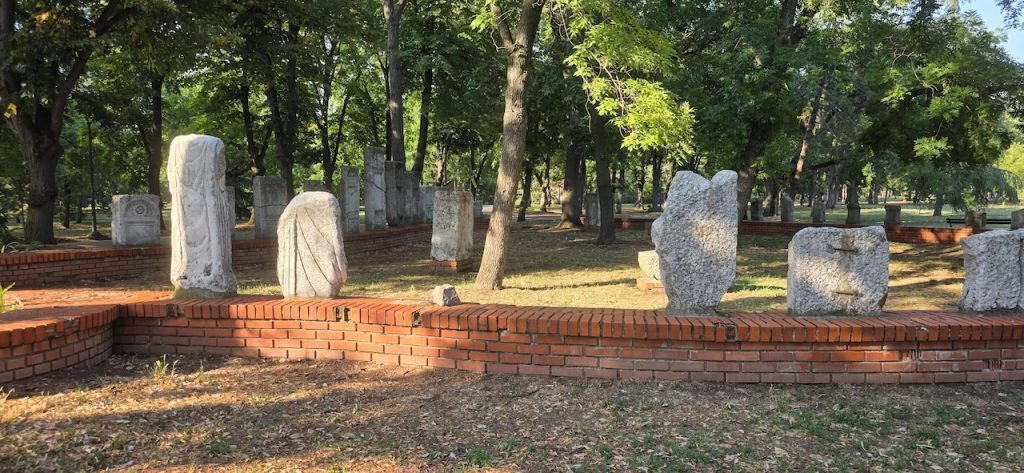
The Stambol Gate stands defiantly and symbollically across the bridge from the new town and once inside its walls, which are free to enter, you can get a sense of the history here. From Roman streets and thermal baths to a Turkish mosque, armoury buildings and 1st-4th century tombstones. The park has a rustic feel to it and lacks any sophistication in terms of presentation of the history, but it is still well worth a wander. In mid-August it is perhaps more famous for its Jazz festival, the hub of which is in the heart of the Fortress.
Niš – Modern City
Now it might surprise you, those who know us, that we have a city inclusion. We’re not great lovers of cities, on the whole, but from time to time they feel important to balance the travel perspective. And sometimes that can teach you a lot.
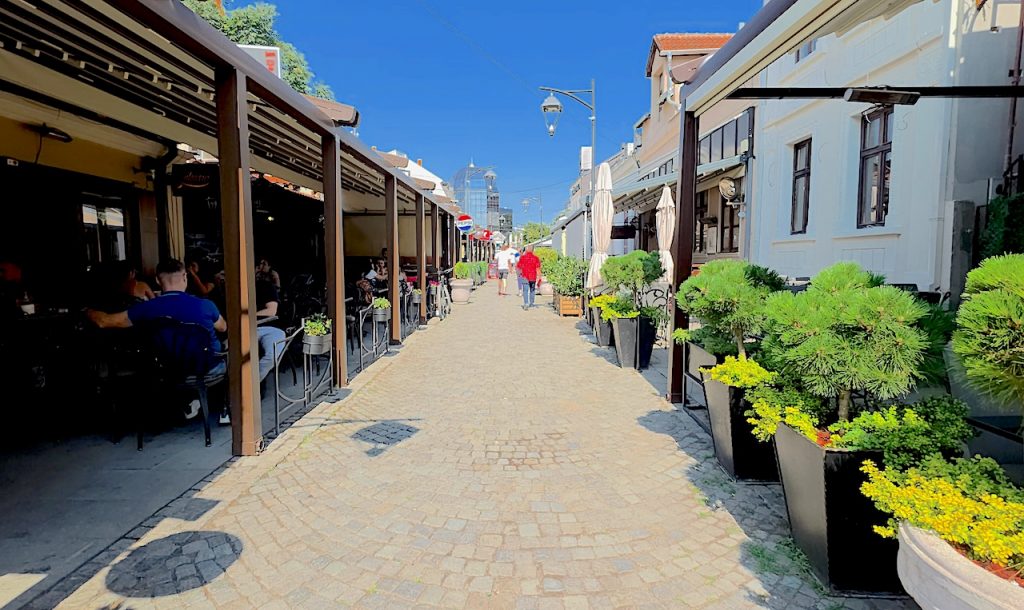
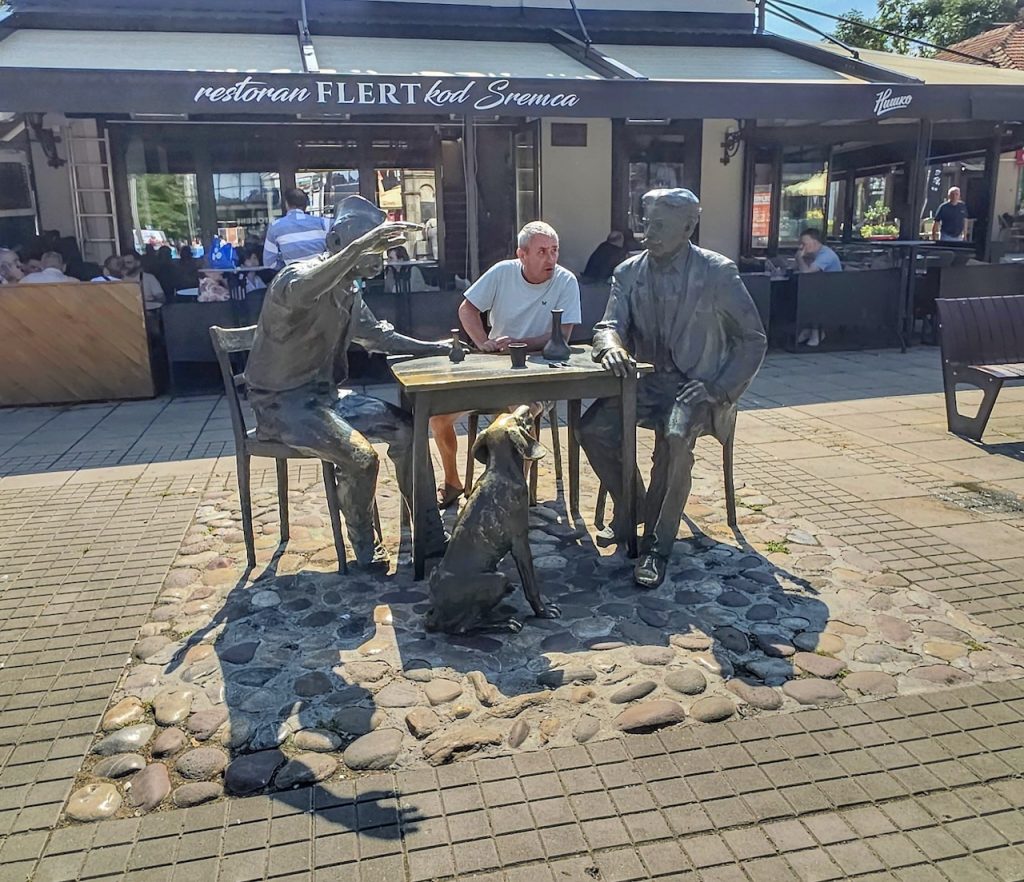
Niš is a large city spread over a number of kilometres, but the town centre itself is colourful, full of hero memorials and a bit of ‘old town’ stories too. After a bit of research, I learned about Tinker Alley (Kazandzijsko Sokace). It is a remanent of the Ottoman Bazaar, where back in the 19th century artisans plied their trade. Whilst the tradesmen are long gone, the cobbled street still holds some magic as it buzzes with atmosphere from the many cafes that now line the lane. It’s a lovely place to hang out and transport yourself back a hundred years ago.
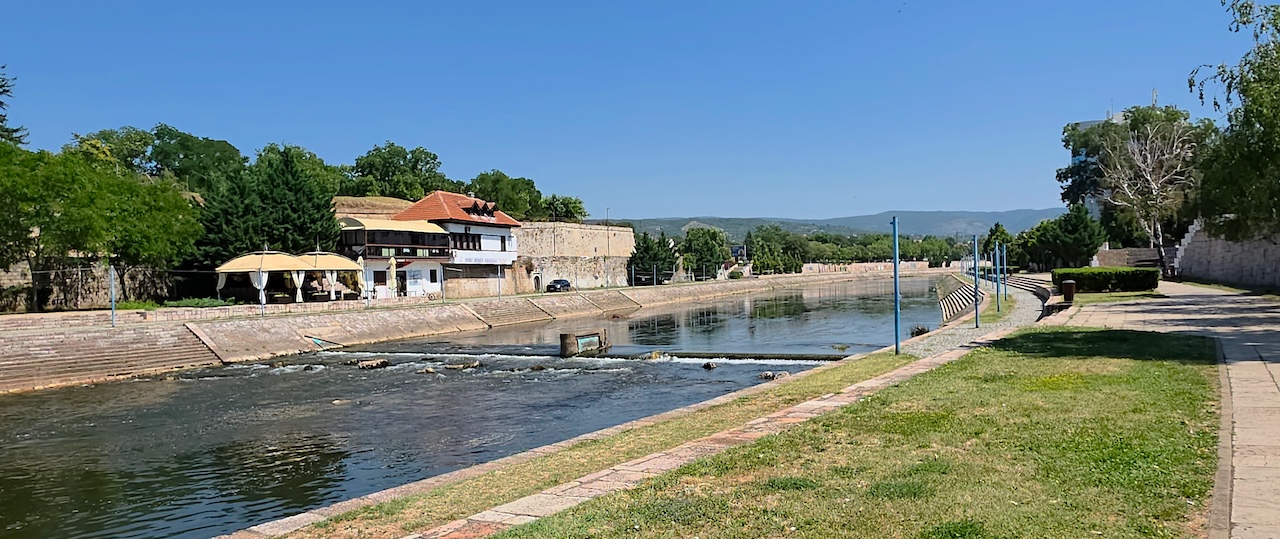
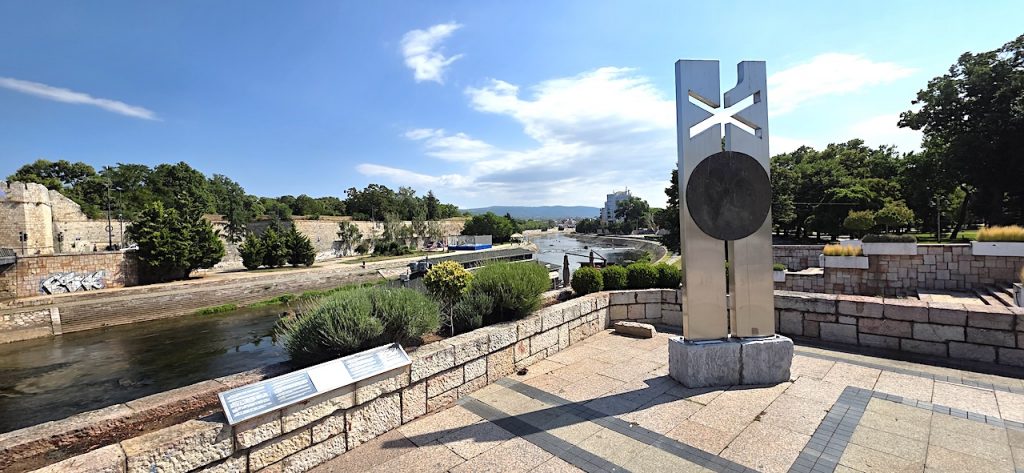
Aside of this, the main square rumbles with life. Fountains dance, people hang out and watch the world go by. Statues are ignored and the river quietly flows beyond anyone’s awareness. The walks along the Nišava run along both sides and has a chilled vibe to what is an impressive and vibrant city.
So Niš, have I sold it? Would you stop a few days to explore all tales from centuries ago? I really hope you do, because for us it was well worth the diversion. We stayed at the car park in front of the Fortress Walls for just 500 dinar (£4) and then had four nights up at the Niš Popoland Campsite about 6 miles from the city which cost us €23 per night including use of the swimming pool. For more information about the city, places to stay and eating options, check this out.
0 Comments