
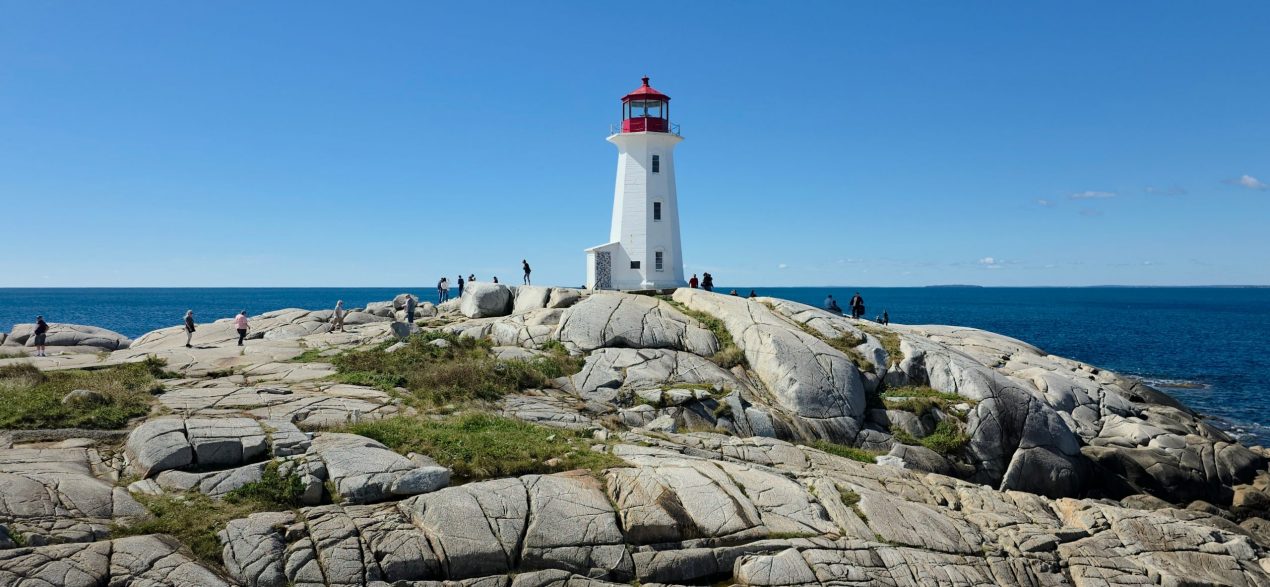
After a landmark 2 months to Canada’s Maritime east coast in September 2025, we wanted to capture the options for exploring this magnificent part of the world. Whether by shipping your own van, hiring an RV, or by doing a fly/drive, there are plenty of ways to have a memorable vacation.
After a fascination from our Facebook community who been following our autumn trip to Canada’s Maritime region of Nova Scotia, we promised to write about our travel experiences. However after doing a draft, I realised that there was far too much information to put into a Social Media post. So I decided to do a full-blown blog so that I could enhance the information I want to share with you.
A trip to Nova Scotia on Canada’s eastern coast is beyond beautiful. Our autumn trip was memorable beyond words and a bucket list was royally ticked off after as we indulged in the Fall colours of Cape Breton. We were less enamoured with Prince Edward Island however, but Nova Scotia and the eastern shores of New Brunswick certainly made up for the island’s disappointment.
As you begin to dream or plan of a trip here you, will undoubtedly be thinking about how best to do it. Do you do a fly drive and choose Bed & Breakfast or self catering accommodation, or do you hire a motorhome, camper or RV? If you are already a motorhome owner in Europe or UK, then you may also be exploring how to ship over your own van. And if I may be so bold, you could also be giving some thought to buying a van in Canada, travelling around this vast country then selling or storing it for a future trip.
So, in this blog we want to delve into each of the options and focus on the pros and cons of each route. Of course, it will boil down to budget, time and personal preference, although with the ground work already done for you it will make for an easier decision about what works for you.
1. Fly/Drive and accommodation
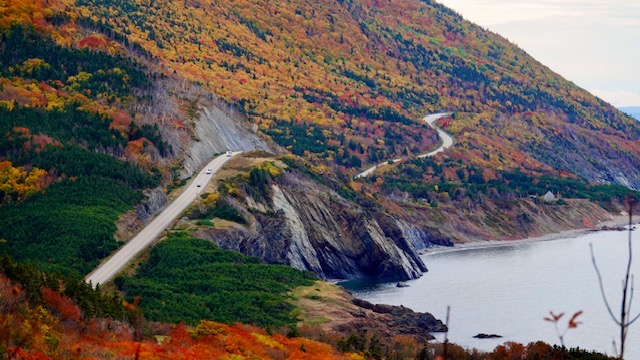
I start with this option in part because it was our chosen style of road-trip. Securing our flights out of the UK with Trailfinders we flew with BA initially out of London Heathrow to Toronto. However with a mid flight oxygen crisis, we ended up turning around and flying out with Air Canada the following morning. It’s difficult for us to breakdown the costs as travel agents like Trialfinders and Discover the World only give you a final holiday balance rather than an individual list of costings. So at the time of writing, a trip for September 2026 for a direct flight from LHR with Air Canada will be an investment of approximately £450 per person in economy. If you book from June through August then you can expect those high season prices to be higher. We then took a flight from Toronto to Halifax to begin our Nova Scotia road trip in earnest.
Car hire for a three week booking from Halifax International Airport will cost roughly £66 per day, roughly. And it is worth mentioning at this point, that the petrol here in Canada’s Maritime region is incredibly cheap. From our arrival the price per litre was $1.51 reducing to $1.35 by the time we left. So filling up our Hyundai Elantra which was an economy car, never broke the bank, despite the miles we covered.
We arrived on 4 September into Toronto and then after a visit to the city and Niagara Falls, we took a flight to Halifax which took only 2hrs. A return flight will cost you approximately £250pp, give or take seasonal adjustments.
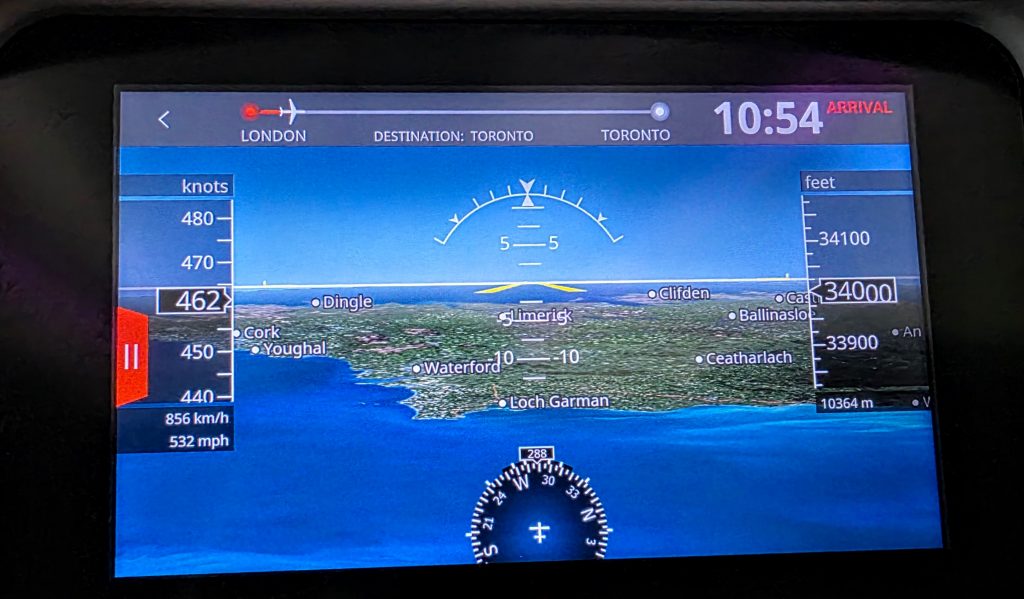
We had booked our first 4 nights with Trailfinders as part of their minimum booking requirement. I had also secured three nights in Halifax on arrival, as we were not quite sure whether there would be a tourist impact from the US tariffs and Canadians deciding on staycations instead of travelling south for the winter. After that I had absolutely nothing else in the plan, which is a bit outside of my comfort zone. However, being in the shoulder season, bookings were pretty easy to acquire and often with only a day’s notice. There was always something we could find.
Much like our vanlife, we wanted to keep flexible with our plans as with a road-trip like this, you never know who you’ll meet who might influence your journey. And I’m so glad we did as it gave us the freedom to stay longer, move on or change direction completely if the fancy or the weather dictated it.
Booking accommodation was pretty simple using either AirBnB or Booking.com. We mixed and matched throughout our stay. We liked that we could manage our finances by having some AirBnB accommodation paid immediately through our pre-paid Caxton Card and others through my Tescos credit card, which meant I could pay some it off after the trip. We paid on average £100 per night over the course of our road trip. We paid as little as £50 for a night in an RV up to £150 per night for a week around our wedding anniversary as a special treat.
We stayed in hotels, motels, RVs and B&Bs. We had whole houses to ourselves, basement apartments and executive suites. And over the course of our 58 days, we had six venues that were shockingly bad, which we don’t think is too bad a ratio. We loved having homes to stay in, as it gave us space to enjoy, after our small space Scoobie. Plus we could shop and cook for ourselves, on the whole and we often had baths. Ahh the luxury of a bath. Loverlyjubbly. We learned a lot from our accommodations, which we have summarised below; we hope these tips might be helpful in your road-trip plans.
Tips for accommodation in Canada’s Maritime region
- Airbnb charge instantly so make sure you have prepaid card with local currency. Booking.com is on your credit card in your home currency, although prices quoted exclude taxes & fees & they can be quite high. However it does allow you to pay off later.
- Airbnb quality ranges vastly. Some are granny’s house with old tat or cheap furniture to luxury pads created with love. And it’s not always easy to judge from the photos and the reviews, because they are not all truthful.
- Houses are generally accessed with an automatic key code entry system which you get in correspondence once you book. So you very rarely get to meet your hosts who may not even live nearby.
- Most of homes are wooden floors so can be chilly on the feet, bring socks.
- Don’t rent a basement as the upstairs noise is intrusive and there’s often poor light, at least this was our experience.
- Out of season no prior booking is needed and if you can bear it, don’t book any more than two days in case the place is awful. If you like it, then you can always enquire with the host, if you can book longer privately and save some the platform fees.
- Not all accommodation has a kettle, certainly hotels and motels only have coffee pod machines. So we bought a cheap one for the duration, which cost us just $24 from Walmart. Other supermarkets are available. However all accommodation does have a coffee machine; the Keurig was the most popular. We bought the brand Tim Horton’s pods from the supermarket, as Myles said it was a really good taste.
- Buy pLastic cutlery, tuperware pots or foil trays so you can cook up or prepare lunches more cheaply than eating out.
Even hotels and motels often have a microwave.
- Often bed linen is a sheet with a bare quilt and then another sheet. There are not many quilt covers around in eastern Canada.
- You can afford to travel light as most places have laundry facilities and detergent thrown in.
- We bought a little cool box and freezer boxes to transport perishable or frozen food from place to place.
- Check in is generally between 3-4 and check out 10-11am and they all differ in their checkout process. Some you strip beds, others you are asked to start the washing and others, you do nothing, other than leave it as you found it.
- All places have hairdryers, shampoo and body wash.
- Most establishments have tea, coffee and sugar supplies and salt and pepper condiments. We bought our own mayo and a few standard herbs that we used often.
Our favourite accommodation is listed below, so if you fancy checking them out, or even going direct to save some pennies, then here is a little directory to start with;
- Double Tide Retreat – Lower Prospect, NS Contact Lonnie on +1 9022190458
- Cranberry Lake, Meteghan, NS near Digby (Free use of kayaks)
- Moncton Apartment 5*, New Brunswick
- It’s a Shore Thing – Petit de Grat on Cape Breton – (Free use of Hot Tub, SUP & Kayak)
- Wabo’s Apartment – Chéticamp, Cape Breton NS
- Cozy Harbour Cottage – Issacs Harbour NS with hot tub
- The Vista Suite – Musquodeboit Harbour NS (Free use of SUP & Kayak
The photos of each of our faves are just below in order as they appear in this list.
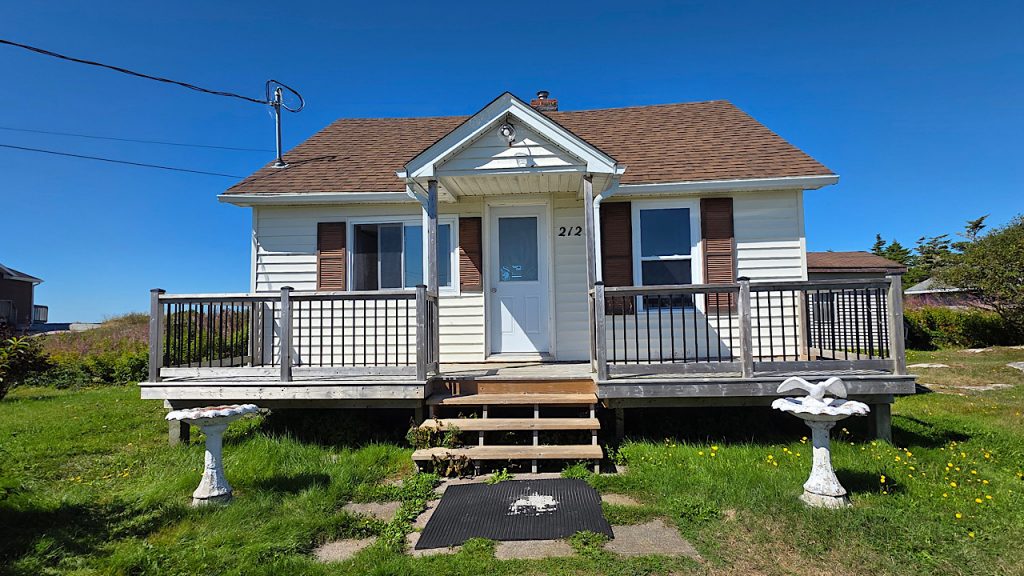
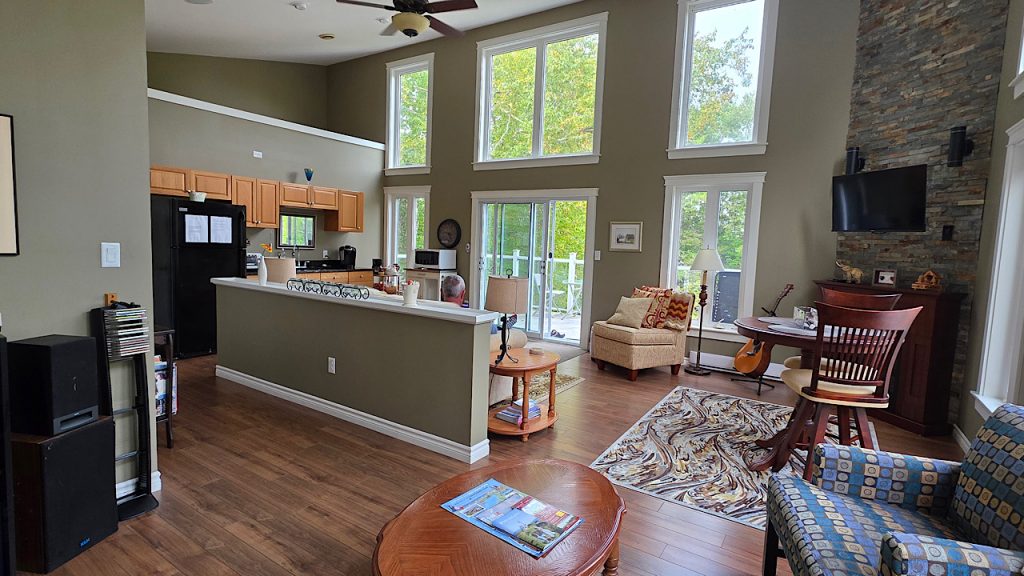
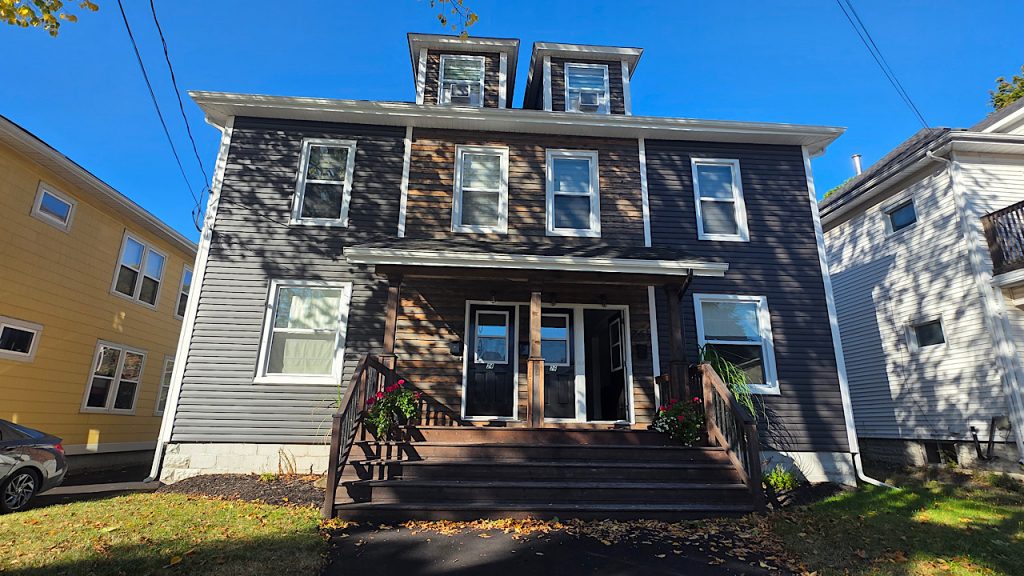
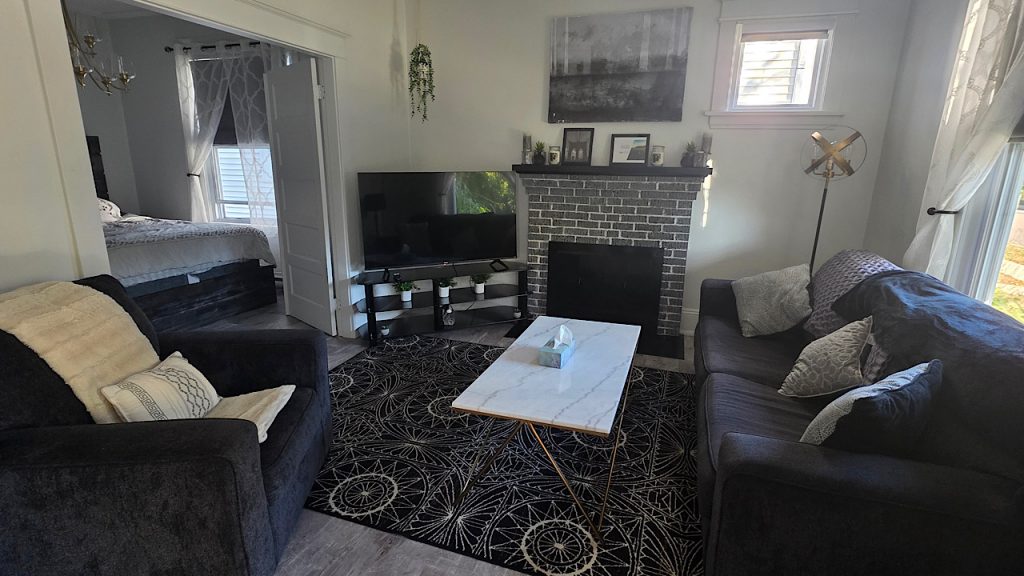
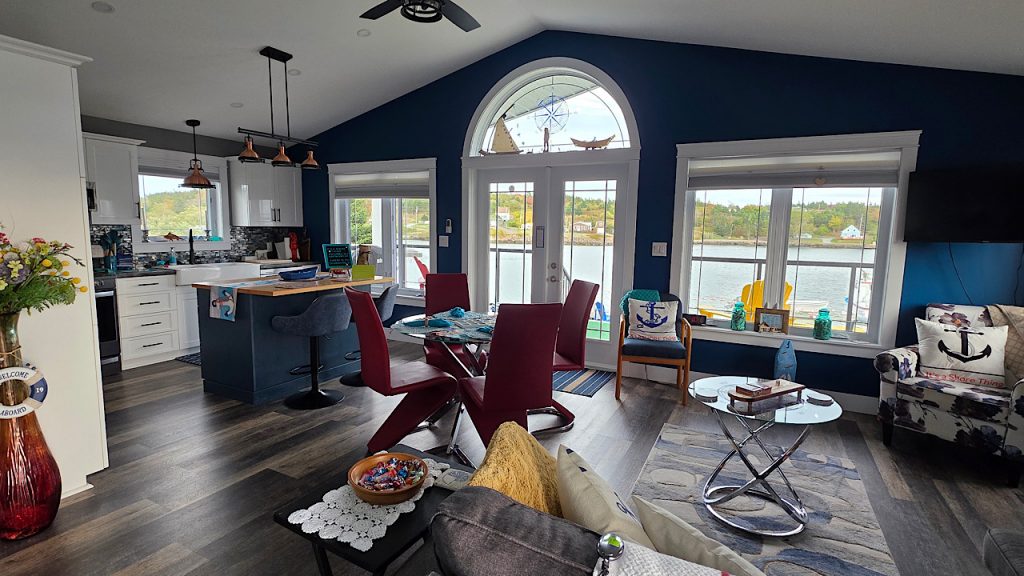
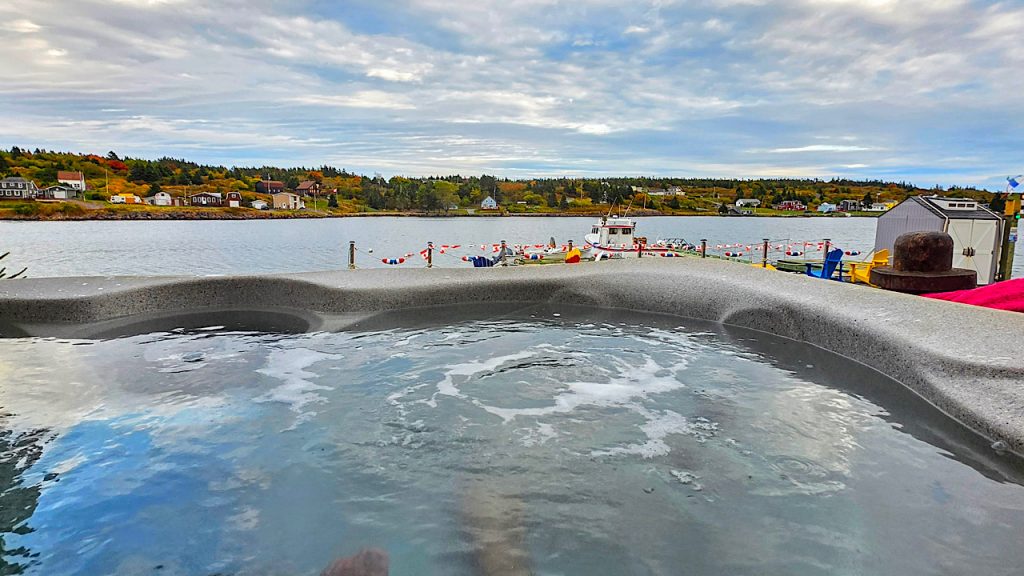
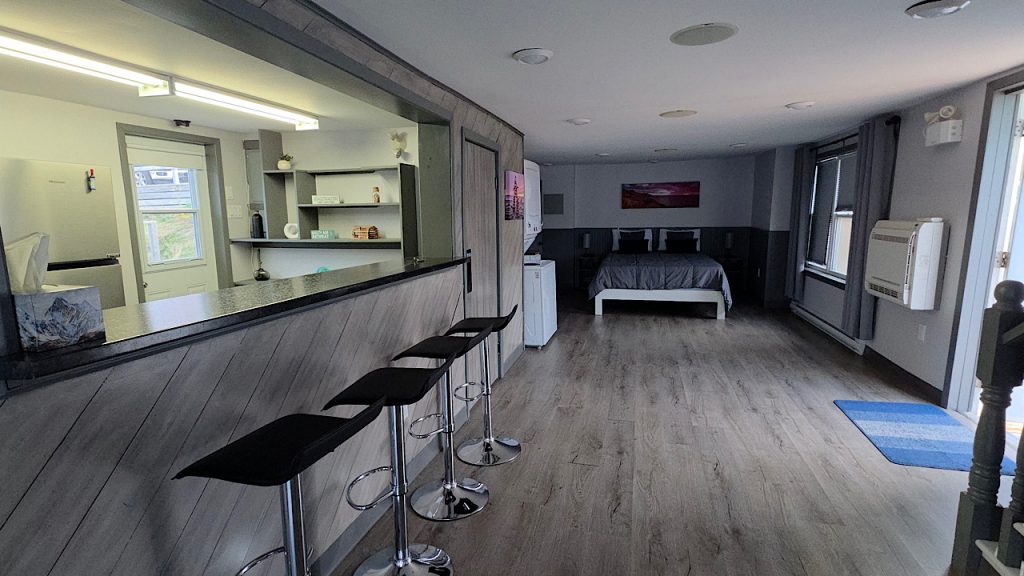
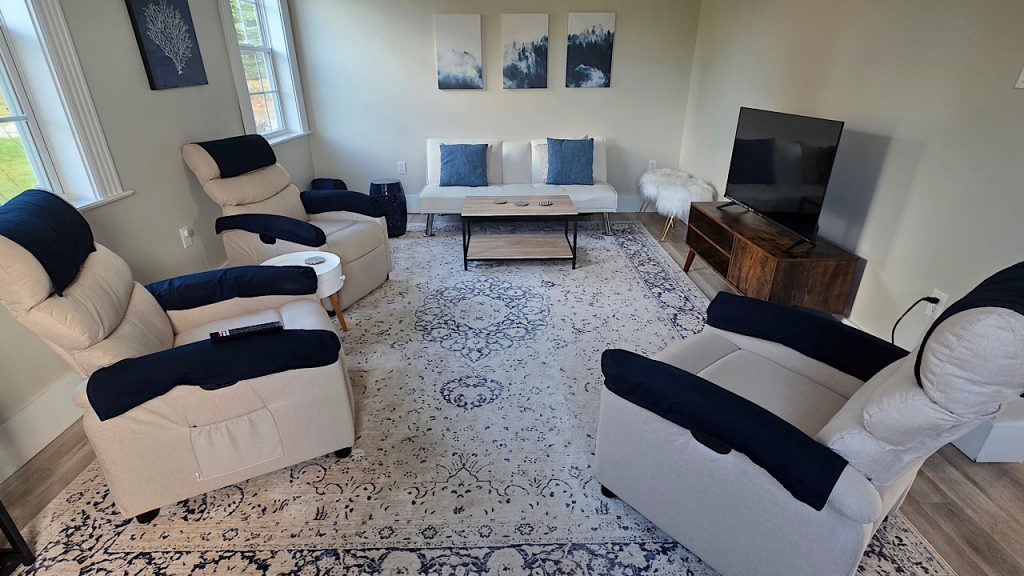
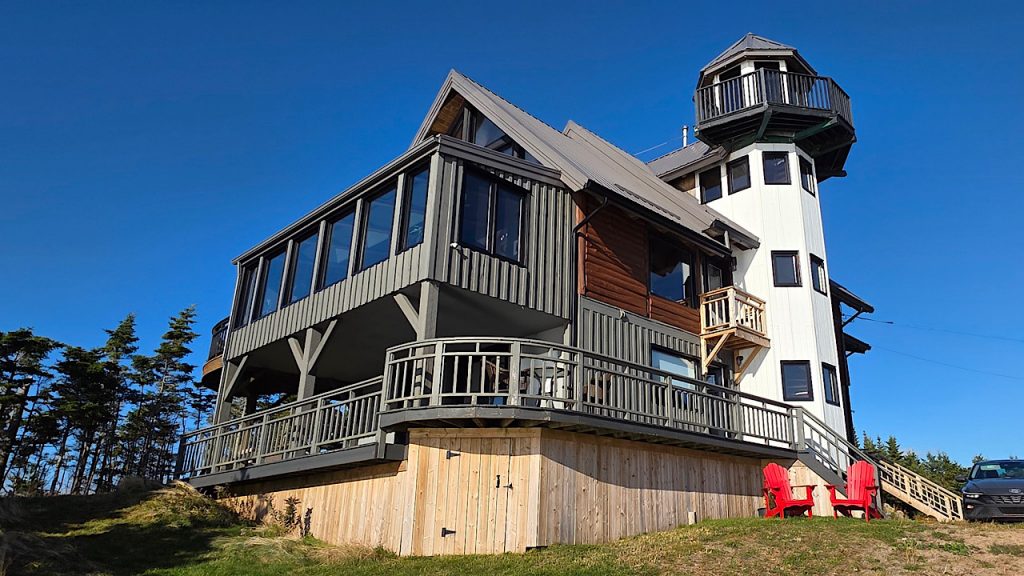
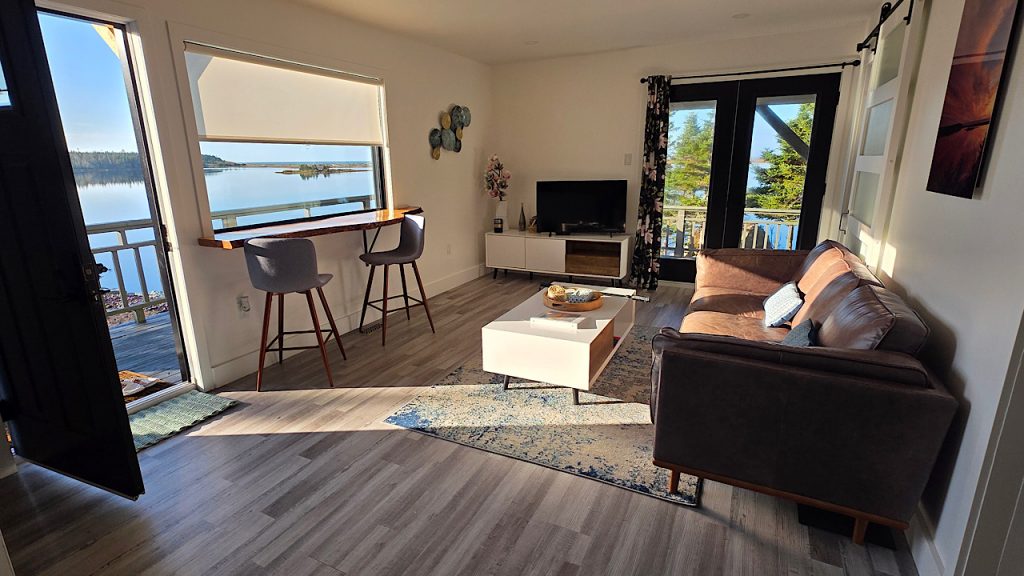
The Pros and Cons of this style of road trip, was that there was, for me some regularly planning to keep up with our accommodation reservations. This was by no means stressful although I did need to keep on my A game with it. However it was never hard to find accommodation, although getting the right and best place was sometimes a bit time consuming. The packing and unpacking on a regular basis became a little tiresome, although they are really the only downsides, we found, to this strategy.
The upsides were that we stayed in some incredible homes with stunning views, sometimes hot tubs, baths pretty much all the time and had the chance to cook our own food, which was lovely. We could use the car to get about easily, using the accommodation as a base. Plus the car was easy to drive, park up and get to the out of the way places that perhaps an RV might not. Not all roads in Canada are equal when it comes to rural locations and you will come across unsealed roads.
2. Shipping your own van to Canada
Let’s address the shipping option. Seabridge is one company you can use to ship a van from northern Europe, Southampton or Liverpool to Halifax NS. There are other options, although these guys are well known in the shipping industry that specifically cater for motorhomes.
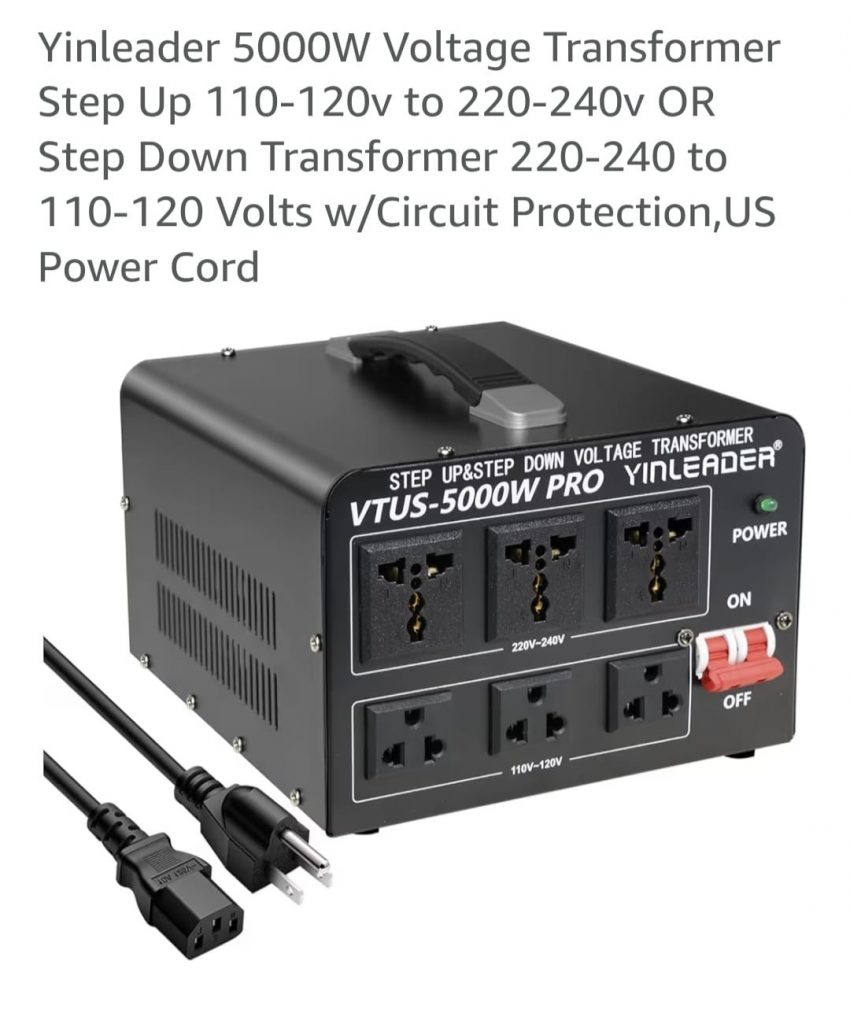
You deliver your van to the port and up until it is put in its container, your UK insurance will cover you. You must deliver the van empty, with no food of any sort. The cost varies depending on the van’s size. 2 years ago we were quoted just over £9,000 return, which includes shipping insurance. You need to convert your electricity supply to 110W which means buying a special inverter which you buy from Amazon in Canada. You will also need a 5000W Step up/Step Down transformer which is a circuit protector for the US and Canada. There’s a picture below to give you a reference. For your gas, you can use your Gaslow tanks, just like with Europe you will need a North American adapter which you can buy from these guys.
Then you need to buy vehicle insurance once in Canada, for which you need a Canadian address. Or you could buy US insurance that covers you in Canada although again you need a US address. You need to have your cover starting from the day that the van arrives in Halifax. However you will need a few days for importation clearance through Customs. Then you are free to go. Just bear in mind that from delivery of your van from the UK or Europe port, you will need to allow up to three weeks for it to be shipped and cleared.
We have decided against taking this option purely because two friends have done it recently and both had breakdown issues. Given our UK and European vans do not have the same mechanical parts as across the pond, if you do breakdown, then you are potentially in for a wait whilst parts are ordered from UK/Europe and shipped across. Our friends are still waiting to be repaired after a month of breaking down. So it can have a big impact on your trip time. Also you have to leave all your van doors unlocked, which whilst with professional shippers in theory shouldn’t be a problem, of course it carries a risk of things going missing.
With our track record and Scoobie’s age, we have decided that the risk and costs are not worth the value. You ideally need to be in Canada for a minimum of 3 months, 6 ideally (your full visa allowance) to make the shipping costs value for money. These are just our thoughts at this point in time. It might change if our circumstances alter, like swapping our van in for a smaller model, although for now it is not something we will carry through. However the advantages are that you have your own home comforts and familiarity.
3. Hiring a camper/RV or 5th Wheel
Of course, if like us, you are van life lovers, then there will be a massive draw to hiring a van here and enjoying the continuation of your favourite lifestyle. Hiring in US or Canada is much like anywhere, it’s a bit of a minefield. When we went to New Zealand in 2015, there was so much research we had to do to find the right company with good reviews and a reasonable cost. Of course that investment is no insignificant amount. So to get you going, we have done some of the research for you.
There are a number of companies that will offer you packages for long term hire and sometimes one way drop offs. As a guideline you can get a campervan for around $170-300+ per day, on top of which you must add 14% tax, and campsite fees of course. Most firms have additional extras and packages to choose from, which include bedding, tables, barbecues and bike racks. Some have mileage packages to choose from and insurance packages, others not. Some you have include leveling blocks, entry to the US and emptying facilities. So working out the best deal is a bit tricky.
If you hire for a long period you do get a special deal, so it is worth bearing this in mind in terms of the duration of your road-trip. And the earlier you book, the greater the discount. I’ve just done a booking quote for Canadream as an example and if you enquire for next September, there is a 10% discount for an early bird booking.
Can you see why it’s a bit of a minefield? Here are some companies that you can explore for hiring a vehicle:
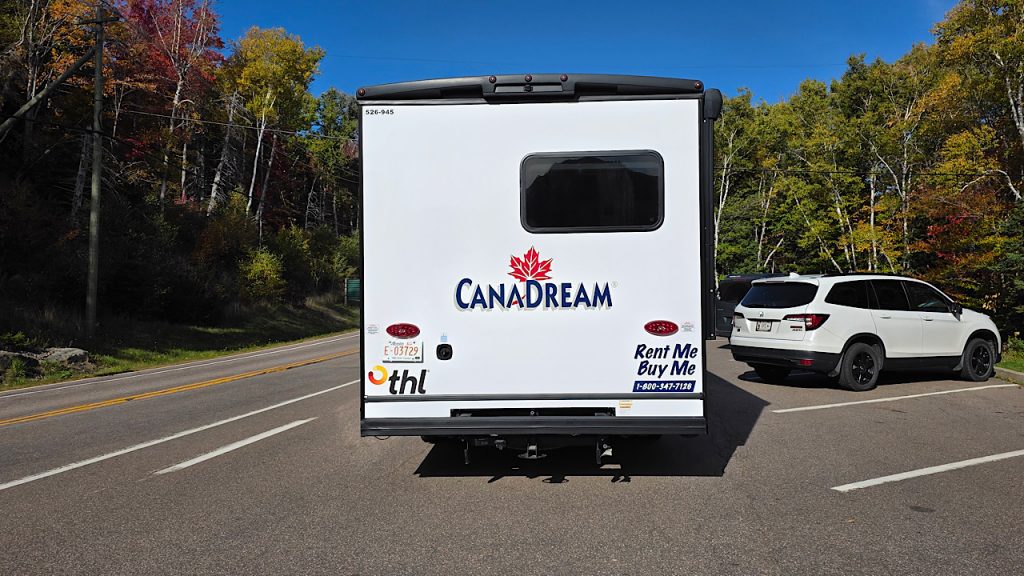
- Canadream is a massive and popular brand. I’ve just done an enquiry for next September/October and the total amount with discounts @November 2025 is coming in at $10,000. And then there are the extra packages that they offer, which adds extra to your cost plus of course the inevitable tax additions. So by the time you add your kilometre package and other equipment bundles, the total price goes up to $16,500 which is around £9,000.
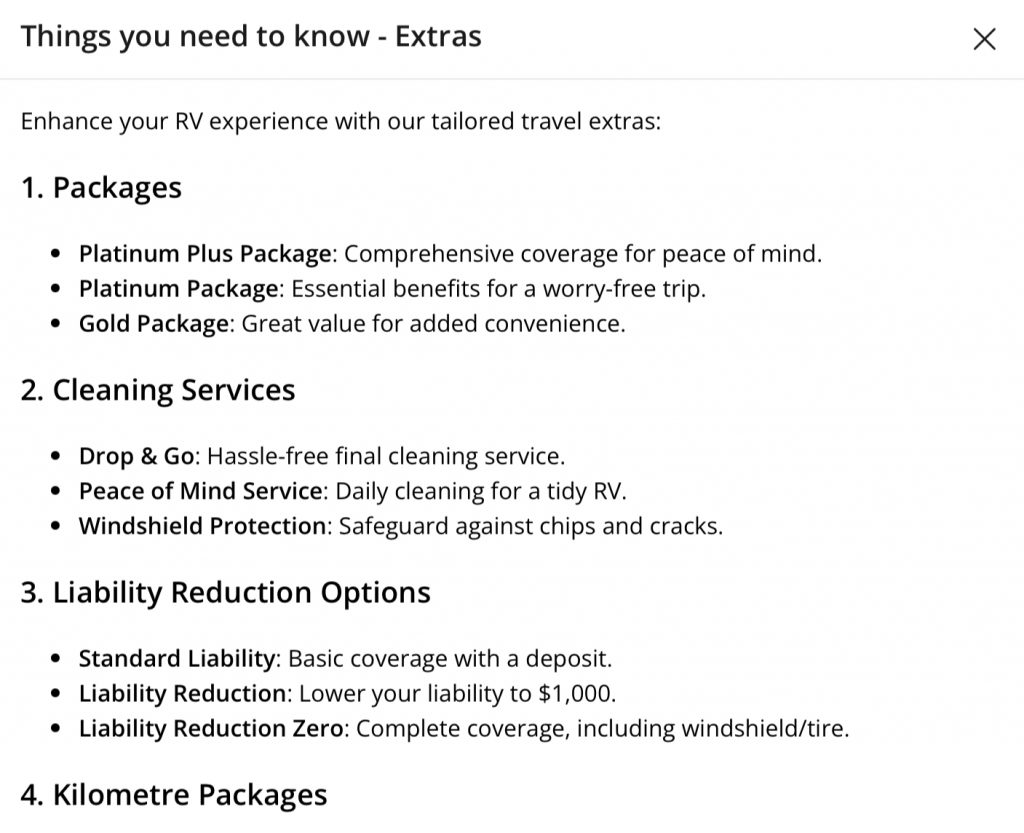
- CuCampers give you a whole range of elements to include in your booking. For the dates I submitted 1 September to 29 October 2026 the price was £7,800 exclusive of additions and tax.
- Gorvging gives you links to other motorhome hires in the Nova Scotia area.
- CruiseAmerica will do a drop off in Halifax although they are one of the more expensive companies that charges extra for everything.
We hope that this will give you a starting point for RV hire, should you decide upon this option.
The ups and downs of hiring are of course never knowing quite what you are getting for your buck. Lots of the RVs we saw looked old and tired on the inside so if this is your chosen home for 7 weeks or so, then you have to live with what you get. Unlike AirBnB where you can simply move on if you don’t like it, or extend if you do. The hidden costs are a minefield and whilst on the face of it the price might be quite good, when you add all the extras, it can become expensive. Our accommodation cost us around £6000 for our 58 days plus adding in the car hire of around £2,000. So the price is probably marginally less than hiring an RV given that you have to add your campsite fees to the final investment. The upside is that you get to do some boondocking and stay in some nice sites with the flexibility that we love about life on the road. Although without extra transport getting to some of the gorgeous hidden spots we found that are off the beaten track, then you have less flexibility on that front. Certainly having the car made a huge difference to us.
For RV driving, the main roads are on the whole super wide and generally good condition, although sometimes the less RV accessible roads are unsealed and probably under their insurance, you would not be allowed to travel on. There are plenty of RV parks to stay at although you may just need to be mindful of the autumn season, if this is your intended time to visit. If you come from June to August, then most campsites will be open.
In terms of what to expect for campsite fees and services, Nova Scotia campsite prices vary by service, but in provincial parks, expect around $26-35 per night plus your reservation fee of around $10. If you go to private campsites then expect to pay from $30 to $120+ per night, with costs depending on amenities like electricity, water, Wi-Fi, and location. Suddenly these prices make the Fly Drive option a better value route as you may need to add another £1000 to your budget for campsites.
It would be worth joining Harvest Hosts, who like France Passion, offer places you can stay for free, with artisans that offer a no obligation to buy product or service. (They now own SearchforSites) Their membership is $152 per year. This looks like a good app to download too Campground.RVLife, for a whole list of campgrounds around Nova Scotia. You could alsoo checkout the iOverlander app that gives you boondocking freebies.
However many places we saw had no overnight parking signs up. So there are some rules to abide by when it comes to boondocking, which in our world is wild camping.
Where boondocking is generally allowed
- Crown Lands: Boondocking is permitted on Crown Land, but you should check local regulations for specific rules and potential permit requirements.
- Wilderness Areas: Overnight camping is allowed in Wilderness Areas, provided you follow low-impact standards and don’t use designated campsites where they exist.
Where boondocking is generally prohibited
- Towns and populated areas: Many municipalities have bylaws against overnight camping in public spaces, including streets and parking lots, to avoid congestion and safety hazards.
- Provincial/National Parks: While some areas allow dispersed camping, most parks have designated campgrounds, and overnight stays outside of these areas are typically not permitted.
- Commercial parking lots: While some big-box stores may permit it, you should always check with store management or look for signs to confirm if overnight parking is allowed, as rules vary widely.
4. Buying and Storing
Now this might not be even on your radar. Although it has been on ours for a little while, given that we have had Canada in our sights for years. We got quite excited at the thought of buying a cheap van, travelling for 3 to 6 months and then storing it, renting it out and coming back and enjoying it for ourselves. So coming over to Maritime Canada gave us the chance to assess this option for real and work out whether it was just a pipe dream or a potential option for our future travels. So for completeness we wanted to add this to the blog so you could either scroll on by or at least discount it in an instant. Here is what we learnt.
Having done some research, we found that it is really difficult for a ‘foreigner’ to buy a van in Canada. There are only three provinces where you can buy and register a van legally as a tourist. New Brunswick, British Columbia and Quebec. Now you can buy a vehicle in another state, although to register it in one of the three allowed Provinces, you then need a permit to drive it from your province of purchase to your province of registration.
The next complication is that you need to get insurance in the same province that you register the vehicle in. We found a broker that we spoke to Guy R Day Insurers and they said they would insure us, as long as we had a province based postal address to use. They also confirmed that when we stored the van for the time we were not using it, then the insurance premium would reduce to acknowledge the change in circumstances. We found these Dutch guys really helpful, having gone through the process themselves.
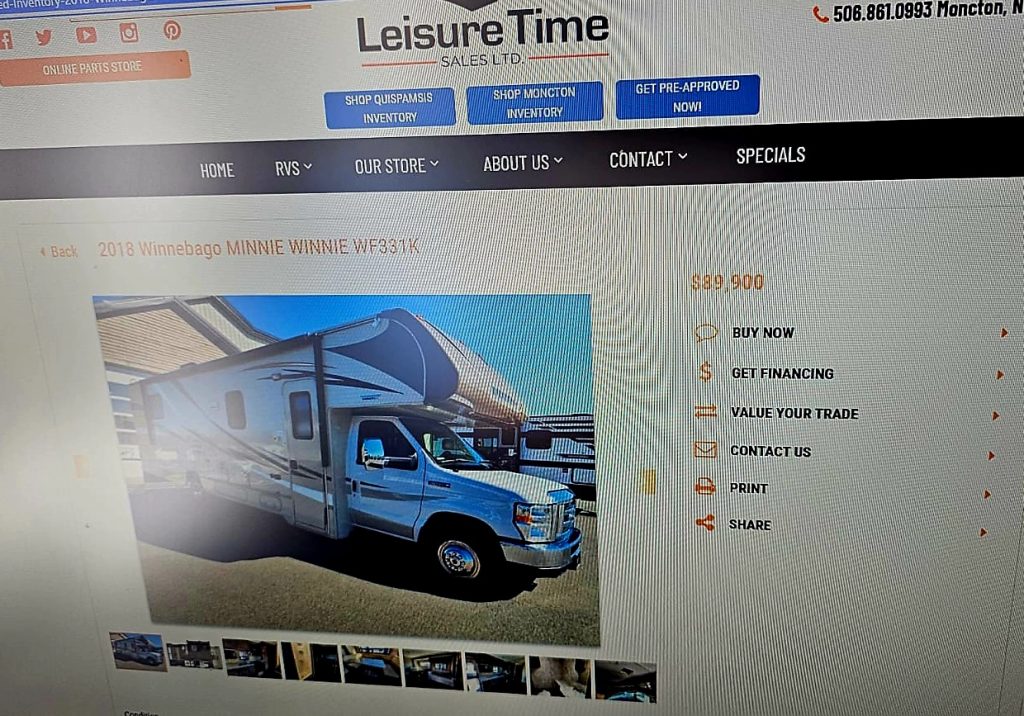
Now, having visited an RV dealer in Moncton, New Brunswick, it was interesting to learn that most of the vehicles on sale were 5th Wheel style caravans. And they are big beasties. There were no motorhomes on the forecourt at all. The guy had one vehicle that was ideal for us in Saint Johns, although as we processed all the restrictions and our capital commitment, we decided that for a £50,000 investment, plus insurance and storage, we could return to Canada five times at least and do separate road trips, whilst investing that money in the stock market.
And of course you cannot bypass the elephant in the room which is storage in Canada during their harsh winters. Whilst Nova Scotia and New Brunswick are on the same latitude as Florence, Italy and Toulouse, France, their winters are extremely different to our Mediterranean friends. We are talking -20 degrees, snow and ice. And so the practicalities of storing a van, potentially outside in the elements in those conditions, would mean a whole different ball game in winterisation. So whilst it was really tempting to explore this route further, as we had some guys who we could have asked to be our postal address,, there were too many hurdles and practicalities to jump. Essentially there was too much noise given the other options available. Plus there are so many other places around the world to visit. If you purchased a van in Canada, you would really have to make sure you come every single year to justify the investment. And, of course, you then have the complication of selling when you’re done.
Conclusions
Whilst there is no one size fits all, thinking about how best to explore Canada’s Maritime region, the Beaty is that you have options. We are, on reflection really happy with our choice. The flexibility it gave us, the magnificent homes (in general) we stayed in and the budget management we were able to do, spreading the cost over three months, all made it a perfect solution for us. Above all, we loved having a break from Scoobie, having space to move around and the bath. When you live full time in your van, sometimes you do need that change of scenery from time to time. And given the cheapness of our storage back in Taunton, we thought it was a great way to travel and really experience every nook and cranny of Nova Scotia. Would we do it that way again? Yes absolutely. The only change we would make to our approach is to raise our daily budget for accommodation so we could reduce some of the shockers that we had to endure.
So we hope that this blog has been helpful to you in giving you some practical information and tips on your potential trip to Canada. If you have any questions, please feel free to contact us, or drop a comment below.
With love, as always
Karen and Myles x
0 Comments